How to Sleep Better: Simple Tips for Restful Sleep
If you regularly lie awake, wake during the night, or feel tired despite spending enough time in bed, you are probably asking the same question: how to sleep better without turning bedtime into another chore?
Restful sleep is influenced by more than your mattress or your bedtime. Your body clock, morning light, caffeine, alcohol, stress, exercise, bedroom environment and response to sleeplessness all matter. The good news is that you do not need to overhaul your entire life at once. A few well-chosen changes can make falling asleep easier and improve the quality of your rest.
This guide explains why sleep often goes wrong, which habits are most useful, what commonly backfires and when persistent sleep problems may need professional attention.
Why You May Be Sleeping Poorly and What Restful Sleep Requires
Most adults need roughly seven to nine hours of sleep, although individual needs vary. The important question is not only how long you are in bed, but whether you wake feeling reasonably restored and can function during the day.
Sleep is controlled by two main systems:
- Sleep pressure: The longer you are awake, the more your body builds a drive to sleep.
- Your circadian rhythm: This internal body clock helps determine when you feel alert and when you feel sleepy, and is strongly influenced by light and regular daily timing.
Problems arise when these systems are disrupted. Sleeping late on weekends, taking long afternoon naps, using bright screens at midnight, or drinking caffeine late in the day can all shift the balance between sleepiness and alertness.
Common reasons sleep becomes difficult
An inconsistent schedule
Going to bed and waking at widely different times can make your body clock less predictable. You may feel tired at 10 p.m. one night but completely awake at the same time the next night.
A variable schedule is especially common among shift workers, new parents, people who work late and those who try to “catch up” on sleep during weekends. Extra sleep after a short night can help you feel better temporarily, but large swings in timing may make the following night harder.
Stress and mental overactivity

Your body may be physically tired while your mind is still reviewing conversations, planning tomorrow or replaying mistakes. This is not a failure of willpower. Worry increases alertness, which is the opposite state your brain needs for sleep.
Trying to force sleep can also make the problem worse. Watching the clock and calculating how many hours remain before work creates more pressure and frustration.
Caffeine, nicotine and alcohol
Caffeine can remain active for several hours, and sensitivity varies considerably. Coffee is the obvious source, but tea, energy drinks, pre-workout supplements, cola and some medications may also contain stimulants.
Nicotine is stimulating and can interfere with sleep. Alcohol may make you drowsy initially, but it can contribute to lighter, more fragmented sleep later in the night. It is not a reliable sleep treatment.
An uncomfortable or stimulating bedroom
Light, noise, heat, an unsuitable pillow, an uncomfortable mattress or a partner’s movement can repeatedly disturb sleep. So can using the bed for work, gaming, television and stressful conversations. Over time, your brain may start associating bed with alertness rather than sleep.
Health conditions and sleep disorders
Persistent sleep disruption can sometimes be linked to a health issue rather than poor habits alone. Examples include:
- Sleep apnoea: Loud snoring, gasping, choking noises, morning headaches, dry mouth or significant daytime sleepiness can be warning signs.
- Restless legs symptoms: An uncomfortable urge to move the legs, often worse when resting in the evening.
- Chronic pain, reflux, asthma or nasal congestion: These can repeatedly interrupt sleep.
- Mood and anxiety problems: Depression, anxiety and prolonged stress can affect both sleep and daytime energy.
- Medication effects: Some prescription and over-the-counter medicines can cause alertness or drowsiness.
If you snore heavily, stop breathing during sleep, wake choking, or feel dangerously sleepy while driving, speak to a healthcare professional. Do not assume the problem is simply poor sleep hygiene.
What restful sleep actually requires
Better sleep usually comes from four basics:
- A stable body clock supported by regular waking and morning light.
- Enough sleep pressure by avoiding excessive naps and spending adequate time awake.
- A gradual reduction in stimulation during the evening.
- A bedroom and bed associated with sleep, not hours of frustration or entertainment.
You do not need perfect habits to sleep well. The goal is to remove the biggest obstacles and give your body reliable signals.
Simple Daily and Nighttime Habits to Help You Sleep Better Consistently
1. Set a consistent wake-up time
If you change only one thing, make it your wake-up time. Get up at approximately the same time each day, including weekends where practical.
A consistent morning anchor helps your circadian rhythm become more predictable. It is often more useful than forcing an unusually early bedtime when you are not sleepy.
Choose a time that fits your life. If you currently wake at 9:30 a.m. but need to wake at 7:00 a.m. for work, move the time earlier gradually rather than expecting one night to fix the adjustment.
2. Get outdoor light soon after waking
Morning light helps tell your brain that the day has started. Spend time outdoors after waking—walking to get coffee, taking the dog out or sitting outside for a few minutes.
Outdoor light is generally stronger than indoor lighting, even on an overcast day. This habit is particularly useful if you work indoors, wake before sunrise or spend most of your day under artificial light.
In the evening, dim bright lights where possible. You do not need to avoid every screen, but reducing brightness and choosing calmer activities can make the transition to sleep easier.
3. Keep caffeine earlier in the day
If you struggle to fall asleep, test an earlier caffeine cut-off for one to two weeks. For many people, avoiding caffeine after lunch is a sensible starting point. If you are very sensitive, you may need to stop earlier.
Check the less obvious sources:
- Energy drinks
- Pre-workout products
- Strong tea
- Cola
- Coffee-flavoured desserts
- Some pain relievers and cold medicines
Do not assume that being able to fall asleep after late caffeine means it has no effect. It may still reduce sleep quality or make sleep lighter.
4. Use exercise to support sleep—but time it sensibly
Regular physical activity can improve overall sleep and reduce stress. Aim for activity you can sustain: brisk walking, cycling, resistance training, sport or a combination.
If intense late-night training leaves you hot, wired or alert, finish it earlier or reduce the intensity near bedtime. On the other hand, some people can exercise in the evening without difficulty. Your response matters more than a rigid rule.
Avoid using exhaustion as your only sleep strategy. Being physically depleted may make you fall asleep, but it does not address an irregular schedule, stress or an uncomfortable sleep environment.
5. Be careful with alcohol near bedtime
Alcohol can make you feel sleepy, but that is different from producing stable, restorative sleep. It may increase waking during the night, worsen snoring and aggravate breathing problems in people who are vulnerable to them.
If you drink, notice whether your sleep is worse on those nights. Avoid using alcohol as a routine way to start sleeping, especially if you already snore or wake gasping.
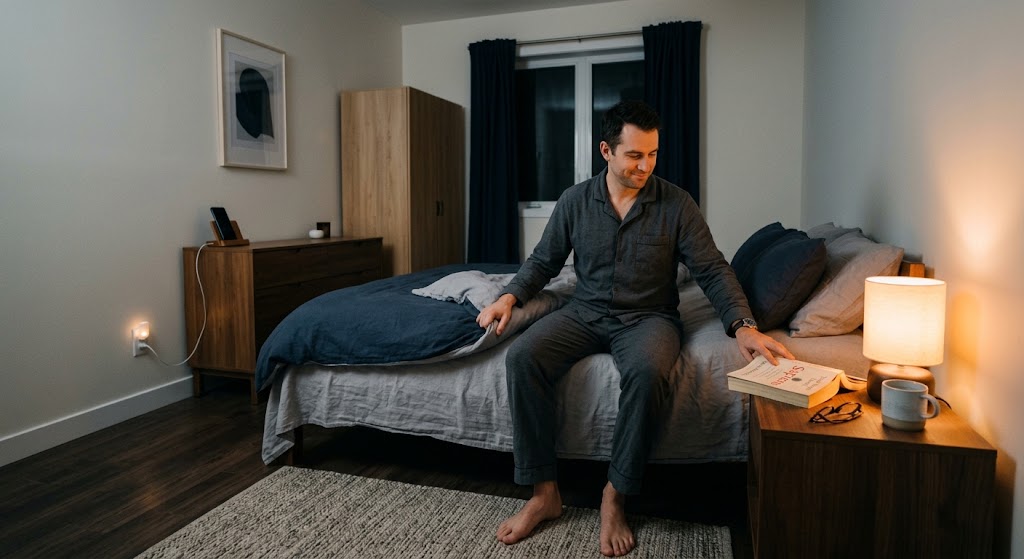
6. Create a short, repeatable wind-down routine
A useful bedtime routine does not need to last an hour. Give yourself 20 to 45 minutes to shift from problem-solving to rest.
A practical routine might look like this:
- Finish demanding work and difficult conversations.
- Prepare clothes, bags and essentials for the morning.
- Dim the lights and put your phone on a charger away from the bed.
- Wash, brush your teeth and change into sleep clothes.
- Read something calm, listen to quiet audio or do gentle stretching.
- Go to bed when you feel sleepy rather than simply because the clock says so.
The point is repetition. A familiar sequence becomes a cue that sleep is approaching.
7. Deal with tomorrow’s worries before getting into bed
If your mind becomes busy at night, use a short “worry and planning” period earlier in the evening. Write down:
- Tasks that need action
- The next physical step for each task
- Questions you cannot solve tonight
- Anything you need to remember tomorrow
For example, replace “sort out finances” with “open the bank app at 9 a.m. and list the three outstanding bills.” Specific next steps reduce the temptation to keep mentally rehearsing the problem.
Keep the list brief. Turning it into a long evening productivity session defeats the purpose.
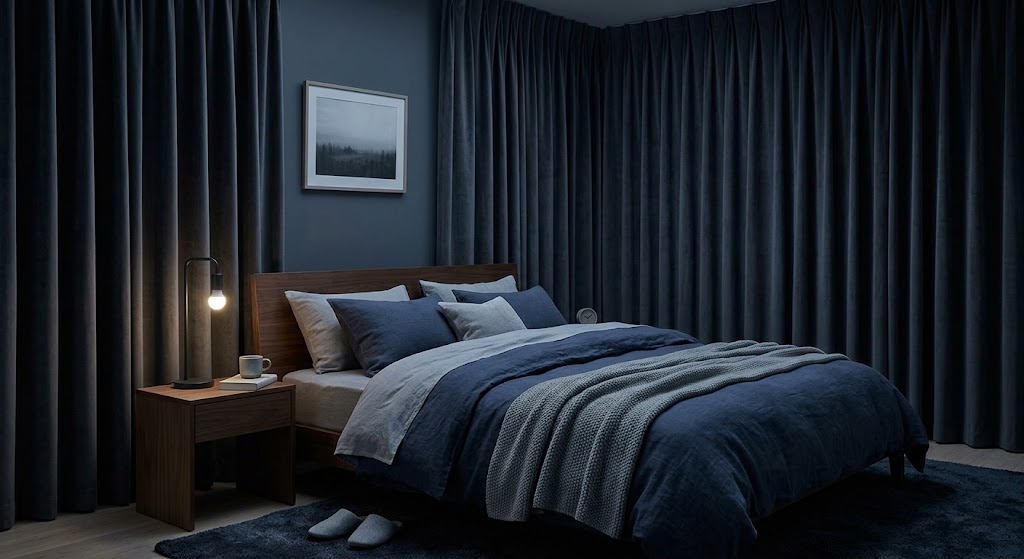
8. Make the bedroom cool, dark and quiet
Individual preferences differ, but most people sleep more comfortably in a room that is cool, dark and quiet. Consider:
- Blackout curtains or an eye mask
- Earplugs or steady background noise for unavoidable sounds
- A fan for air movement and consistent sound
- Breathable bedding
- A pillow that supports your usual sleeping position
- Removing bright clock displays and unnecessary lights
If your mattress or pillow causes pain, deal with that specific problem rather than buying sleep products at random. A new mattress is not a universal cure for poor sleep.
9. Keep phones and entertainment out of bed when possible
The issue with a phone is not only screen light. Messages, news, social media, games and work can all increase mental stimulation. If you use your phone in bed for an hour, your brain may learn that bed is a place to stay alert.
Try these practical changes:
- Charge the phone outside arm’s reach.
- Turn off nonessential notifications.
- Use a separate alarm if you repeatedly check the phone.
- Watch television in another room rather than in bed.
- If you need audio, choose something familiar and set a timer.
You do not have to eliminate screens perfectly. The goal is to prevent them from taking over the period when you should be winding down.
10. Do not stay in bed fighting sleep
If you are awake and becoming frustrated, get out of bed and do something quiet in dim light. Read a dull book, sit calmly or listen to relaxing audio. Return to bed when you feel sleepy.
This approach helps preserve the association between bed and sleep. Avoid turning the break into work, intense exercise, gaming or scrolling through stressful content.
Do not watch the clock repeatedly. Move it out of view or turn the display away. Knowing that you have only four hours left can create performance anxiety around sleep.
11. Keep naps short and early if you need one
A long or late nap can reduce the sleep pressure you need at night. If you nap, keep it relatively short and take it earlier in the afternoon.
Some people benefit from a brief nap, while others find that any daytime sleep worsens nighttime insomnia. If you are struggling to fall asleep at night, trialling fewer naps is reasonable.
12. Use a simple two-week sleep experiment
Rather than changing everything at once, track a few variables for two weeks:
- Wake-up time
- Approximate bedtime
- Caffeine timing
- Alcohol intake
- Exercise
- Naps
- How rested you feel the next day
Then change one or two factors. For example:
- Week one: fixed wake time and no caffeine after lunch.
- Week two: morning outdoor light and no phone in bed.
This makes it easier to identify what actually helps. A sleep diary can also give a healthcare professional useful information if the problem continues.
Common mistakes that make sleep worse
Going to bed too early
If you are not sleepy, getting into bed at 8:30 p.m. and remaining awake for hours can train your brain to associate bed with frustration. A consistent wake time is usually a better starting point than forcing an early bedtime.
Trying to “make up” for poor sleep by staying in bed all day
Extra time in bed does not always produce extra sleep. It can weaken sleep pressure and make the next night more difficult. Return to a reasonably normal schedule where possible.
Relying on supplements without addressing the cause
Products marketed for sleep are not automatically effective or risk-free. Ingredients can interact with medicines, affect alertness or be unsuitable for certain health conditions. Discuss regular use of sleep aids or supplements with a qualified healthcare professional.
Treating chronic insomnia as a discipline problem
If sleep trouble happens at least several times a week for months, or is seriously affecting daytime life, seek professional help. Cognitive behavioural therapy for insomnia (CBT-I) is a structured treatment commonly recommended for persistent insomnia. It addresses unhelpful sleep patterns and thoughts rather than relying only on sedating products.
When to seek medical advice
Make an appointment if:
- Sleep problems persist despite several weeks of sensible changes.
- You regularly feel exhausted, irritable or unable to concentrate during the day.
- You snore loudly or someone notices pauses in your breathing.
- You wake gasping, choking or with a racing heart.
- You have uncomfortable urges to move your legs at night.
- Pain, reflux, anxiety, low mood or medication may be disrupting sleep.
- You feel sleepy enough to struggle with driving or operating machinery.
A clinician can assess possible causes and advise whether sleep testing, medication review or a specific treatment is appropriate. For reliable general guidance, an internal link to ManStuff101’s article on managing stress or creating a healthier evening routine would fit naturally here. An authoritative external link to guidance from the NHS, CDC, or the American Academy of Sleep Medicine would also be useful for readers who want clinical information.
Frequently Asked Questions
How quickly can I improve my sleep?
Some changes, such as reducing late caffeine or making the bedroom more comfortable, may help within a few nights. A regular wake time and morning light often require more time to influence your sleep pattern. Judge progress over one to two weeks rather than one night.
Is seven hours of sleep enough?
Sleep needs vary, but many adults function best with around seven to nine hours. Quality matters as well as duration. If you regularly sleep seven hours but remain very sleepy, wake repeatedly or snore heavily, the issue may be disrupted sleep rather than insufficient time in bed.
Should I go to bed at the same time every night?
A fairly regular bedtime can help, but it is usually better to go to bed when you feel sleepy and keep your wake-up time consistent. Forcing yourself into bed too early can create long periods of wakefulness.
Does exercising at night prevent sleep?
Not for everyone. Some people sleep well after evening exercise, while intense or very late workouts make others feel alert. If your training affects sleep, finish earlier, lower the intensity or allow more time to cool down before bed.
What should I do if I wake up at 3 a.m.?
Keep the lights low, avoid checking the time repeatedly and do not start scrolling through your phone. If you are becoming frustrated, leave the bed for a quiet activity and return when sleepy. If early waking is frequent, look for patterns involving alcohol, stress, pain, room temperature or breathing problems.
Are sleep trackers accurate?

Sleep trackers may help identify broad patterns, such as changes in bedtime or wake time, but they cannot reliably diagnose a sleep disorder for you. Do not become anxious about a score if you feel well; discuss persistent symptoms with a healthcare professional.
The most effective way to sleep better is usually not a single trick. Start with a consistent wake-up time, get outdoor light in the morning, stop caffeine earlier, limit alcohol near bedtime and create a short wind-down routine. Keep the bedroom comfortable, use the bed mainly for sleep and leave it briefly if you are lying awake and becoming frustrated.
For the next two weeks, choose two changes you can realistically repeat—such as a fixed wake time and charging your phone outside the bedroom. Track how rested you feel rather than chasing a perfect sleep score. If loud snoring, breathing pauses, severe daytime sleepiness or persistent insomnia continues, get professional advice instead of trying to solve the problem with willpower alone.
IMAGE SUGGESTION: A cool, dark bedroom with blackout curtains, comfortable bedding and minimal electronic distractions.
ALT TEXT: Comfortable dark bedroom set up for restful sleep