How to Relax Your Mind and Reduce Daily Stress
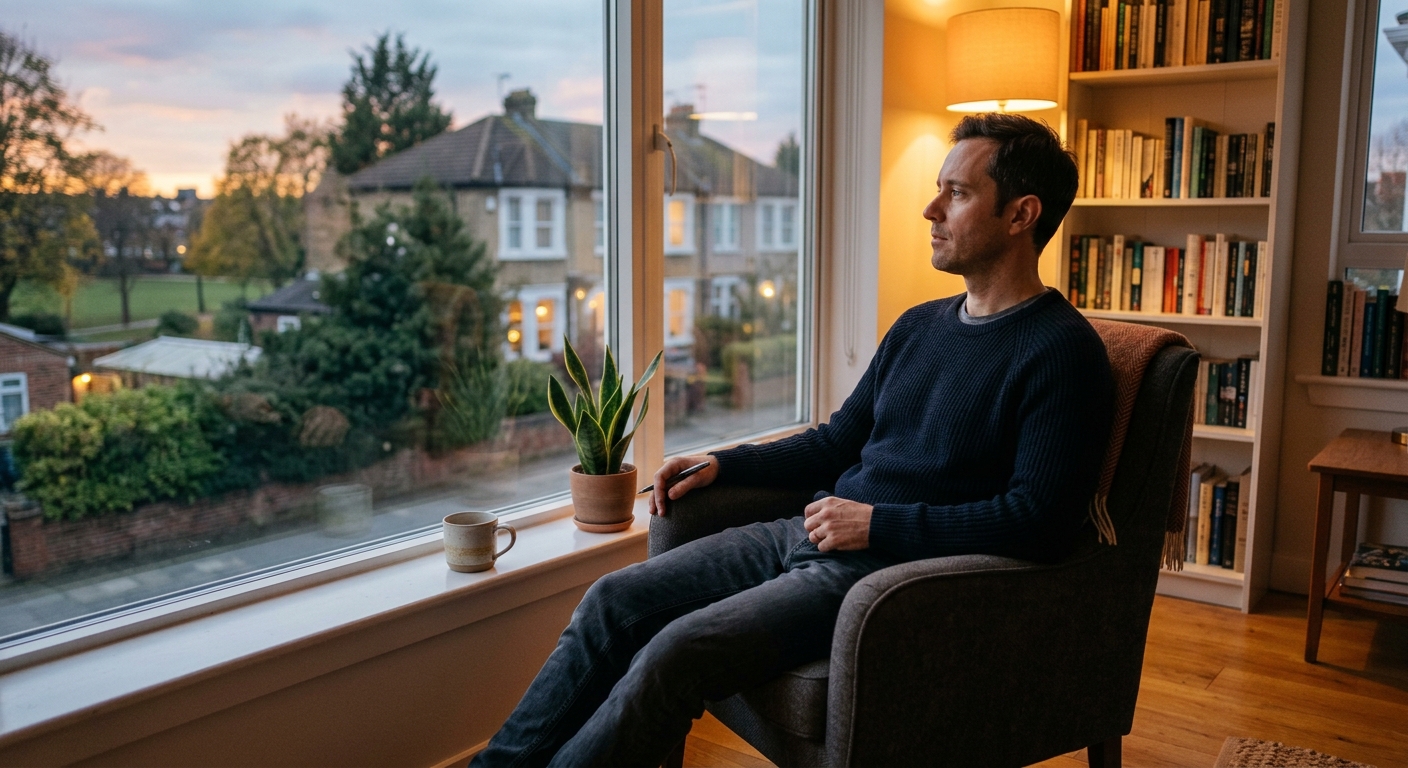
Learning how to relax your mind is not about eliminating every stressful thought or forcing yourself to feel calm. The goal is to reduce the intensity of stress, recover more quickly after pressure, and prevent everyday worries from taking over your attention.
Work demands, money concerns, relationship problems, constant notifications, poor sleep, and an overloaded schedule can all keep your mind in a state of alertness. When that happens, simply telling yourself to “stop worrying” usually does not work.
The good news is that relaxation can be practiced. Simple habits such as slow breathing, walking, progressive muscle relaxation, better sleep routines, and reducing digital stimulation can help you calm your mind and manage daily stress.
In this guide, you will learn practical ways to relax your mind, interrupt repetitive worrying, separate problems you can control from those you cannot, and create a routine that makes relaxation easier to repeat.
How to Relax Your Mind Quickly
One of the simplest ways to relax your mind is to combine a short physical reset with one practical action.
Sit comfortably, relax your shoulders and jaw, and take slow, comfortable breaths for two to five minutes. Then identify the main thing worrying you and decide whether you can act on it now, schedule it for later, or let go of the part you cannot control.
For longer-term stress relief, focus on regular sleep, physical activity, reduced digital stimulation, realistic daily priorities, and a consistent evening wind-down routine.
What Causes a Stressed Mind?
Stress is more than a mental experience. It can affect your breathing, muscle tension, sleep, concentration, digestion, energy, and ability to focus.
When your brain interprets demands as threats—or when too many demands accumulate—it may keep your body prepared to respond even when you are technically safe.
That is why simply telling yourself to “stop worrying” rarely works.
A stressed mind usually needs two things:
- A clearer response to the source of stress
- A deliberate signal that your body can come out of high alert
Learning how to relax your mind therefore involves both practical problem-solving and physical relaxation.
Identify What Is Keeping Your Mind Stressed
Before choosing a relaxation technique, identify what is occupying your attention.
Vague stress is often harder to manage than a specific problem. Writing down your recurring thoughts can help you see what is actually driving the pressure.
Your stress may come from:
- A decision you have been postponing
- A difficult conversation you need to have
- Too many tasks and unclear priorities
- Financial or job uncertainty
- Conflict in a relationship
- Poor sleep
- Too much caffeine
- Constantly checking messages or news
- Fear about something you cannot predict
- Feeling that you have too little time to recover
Different problems require different responses.
A breathing exercise may reduce immediate tension, but it will not resolve an overdue bill, an overloaded schedule, or an unresolved argument.
The goal is not to use relaxation to avoid problems. Instead, use relaxation to create enough mental space to respond to problems more clearly.
Separate What You Can Control From What You Cannot
For each concern, ask yourself:
- Can I take a useful action today?
- What is the smallest action that could improve the situation?
- What part of this concern is outside my control?
For example:
| Concern | Useful action | Outside your control |
|---|---|---|
| Overloaded workday | Choose the three most important tasks and communicate realistic deadlines | How other people react |
| Upcoming conversation | Write down your main point and choose a time to talk | Whether the other person agrees |
| Financial pressure | Review essential expenses and contact the relevant provider if needed | Future events you cannot predict |
| Waiting for an answer | Set a time to check rather than repeatedly refreshing your phone | When someone else responds |
If a problem is actionable, relaxation should support action—not replace it.
If a problem is outside your control, repeatedly rehearsing it usually creates the feeling of preparation without producing a solution.
Notice the Habits That Keep Your Mind Activated
Some everyday habits can make it harder to relax.
These may include:
- Checking email or messages immediately after waking
- Working late without a clear stopping point
- Consuming stressful news continuously
- Using caffeine late in the day
- Drinking alcohol to switch off
- Staying in bed while worrying
- Avoiding basic tasks until they become urgent
- Filling every quiet moment with your phone
- Exercising intensely when you are already exhausted
- Treating sleep as optional
None of these habits makes you a bad or undisciplined person.
They are often short-term attempts to manage discomfort. The problem is that short-term relief can sometimes create longer-term stress.
For example, late-night scrolling may distract you temporarily but leave you less rested and more reactive the following day.
Understand the Difference Between Rest and Distraction
Distraction can be useful when you need a short break from an intense thought. However, distraction is not always the same as recovery.
Distraction moves your attention away temporarily.
Relaxation reduces physical and mental activation.
Problem-solving addresses a situation that requires action.
A walk without your phone, slow breathing, stretching, or a quiet shower may help your body settle.
Repeatedly checking social media, arguing online, or consuming another hour of alarming news may occupy your mind while keeping it stimulated.
Ask yourself:
“Will I feel more settled after this, or merely more distracted?”
That simple question can help you choose better ways to relax your mind.
Create an End Point for the Workday
A mind that never receives a clear signal that work is finished may continue reviewing tasks throughout the evening.
A short shutdown routine can reduce this mental carryover.
At the end of your workday:
- Write down unfinished tasks.
- Choose the first task for your next work period.
- Check whether anything genuinely urgent needs attention.
- Close work applications.
- Put work devices out of immediate reach when possible.
- Do one physical transition, such as changing clothes, taking a walk, or preparing dinner.
This does not guarantee that work worries will disappear.
Instead, it gives your brain a reliable place to store unfinished tasks instead of asking you to remember everything throughout the evening.
Internal link suggestion: Link the phrase productivity habits, work-life balance, or evening routine to a relevant ManStuff101 article if one exists.
Practical Ways to Relax Your Mind and Reduce Stress
The best relaxation method is one you can use regularly and adapt to your circumstances.
You do not need a perfect morning routine, expensive equipment, or a private meditation room. A few minutes of deliberate downshifting can be useful when practiced consistently.
Here are practical stress relief techniques you can use during a normal day.
Use Slow Breathing to Calm Your Mind
When people feel stressed, their breathing may become faster, shallower, or more irregular.
Deliberately slowing your breathing gives you a simple way to interrupt that pattern and bring your attention back to the present.
Try this:
- Sit with your feet supported.
- Relax your shoulders.
- Unclench your jaw.
- Breathe in gently through your nose.
- Exhale a little more slowly and fully than you inhale.
- Continue for two to five minutes without forcing deep breaths.
The goal is not to take the largest breath possible.
Overly forceful breathing can make some people feel light-headed. Keep your breathing comfortable. If you become dizzy or uncomfortable, stop and return to normal breathing.
You might inhale gently for three or four counts and exhale for four or five, adjusting the rhythm to what feels natural.
You can use slow breathing:
- Before an important meeting
- After reading an upsetting message
- While sitting in traffic
- Before responding during an argument
- When you notice your body becoming tense
- In bed when your body feels restless
Slow breathing is particularly useful because it requires no equipment and can be practiced almost anywhere.
Try Progressive Muscle Relaxation
Mental stress often appears as physical tension.
You may tighten your forehead, shoulders, hands, stomach, or legs for hours without realizing it.
Progressive muscle relaxation involves deliberately tensing and then releasing different muscle groups.
Start with a comfortable amount of tension rather than straining.
Work through your body in order:
- Feet and lower legs
- Thighs and hips
- Stomach
- Hands and arms
- Shoulders
- Jaw and face
Tense one area gently for a few seconds, then release it and notice the difference.
Skip any area that is injured or painful.
This technique can be especially useful before bed or after spending a long time at a desk.
It teaches you to recognize the difference between a relaxed muscle and one that has been bracing throughout the day.
Take a Low-Stimulation Walk
Walking can help interrupt repetitive thinking, particularly when you change your physical environment.
For a more calming experience, make your walk intentionally low-stimulation:
- Keep your phone in your pocket unless you need it.
- Avoid turning the walk into another work call.
- Notice your pace, breathing, and surroundings.
- Choose a quieter route when possible.
- Keep the pace comfortable rather than treating the walk as a workout.
A ten-minute walk after work can create a useful boundary between professional demands and personal time.
A short walk after a difficult conversation can also give you time to pause before deciding what to say or do next.
Internal link suggestion: Link benefits of walking, regular exercise, or outdoor activities to a relevant ManStuff101 article.
Schedule a Worry Period
Trying to suppress unwanted thoughts can sometimes make them feel even more persistent.
Instead of allowing every worry to demand immediate attention, give recurring concerns a defined place in your day.
Set aside 10 to 15 minutes in the late afternoon or early evening.
During that time:
- Write down what is worrying you.
- Separate actionable concerns from hypothetical ones.
- Choose one next step for each actionable concern.
- Record what you will revisit later.
- When the time ends, move to another activity.
If a worry appears later, write a brief note and remind yourself:
“I have a time set aside for this.”
This does not mean the thought will disappear.
It simply gives your mind a clear boundary so that every worry does not have to be solved immediately.
Avoid scheduling this exercise immediately before bed if it makes you more alert.
Create a Simple Evening Routine
Learning how to relax your mind at night is easier when your evening contains predictable cues instead of a series of accidental decisions.
A practical wind-down routine might include:
- Finishing caffeine several hours before bedtime if it affects your sleep
- Dimming lights in the evening
- Taking a warm shower
- Preparing clothes or essentials for the next day
- Writing down unfinished tasks
- Reading something calming
- Doing light stretching
- Practicing slow breathing
- Keeping your phone away from the bed
The exact routine matters less than its function.
The purpose is to reduce stimulation and remove unnecessary decisions.
If you often lie awake planning tomorrow, write a short plan before getting into bed.
If sleep problems persist, affect your daytime functioning, or occur alongside significant anxiety or low mood, speak with a qualified healthcare professional.
Relaxation techniques can support better sleep, but they are not a complete treatment for every sleep disorder.
Internal link suggestion: Link how to sleep better, evening routine, or reduce screen time to relevant articles on ManStuff101.
Make Relaxation Easier by Reducing Friction
People often fail to relax because they rely on motivation at the exact moment they are exhausted or stressed.
Instead, prepare your environment in advance.
Useful changes include:
- Keep a notebook beside the bed for recurring thoughts.
- Put comfortable walking shoes near the door.
- Save a short breathing exercise where you can access it quickly.
- Keep your phone out of arm’s reach during relaxation.
- Choose one chair or area for reading, stretching, or quiet time.
- Add a short transition period before opening entertainment apps.
The goal is not to create an elaborate wellness system.
Make the calming choice easier than the stimulating one.
Small environmental changes can make healthy habits more automatic.
Use a Three-Minute Reset When You Feel Overwhelmed
When you have very little time, try a simple three-minute reset.
Minute One: Notice
Identify what is happening without judging it.
You might say:
- “My shoulders are tight.”
- “I am thinking about tomorrow.”
- “I am rushing.”
- “I feel irritated and distracted.”
You do not need to change the feeling immediately. Simply notice it.
Minute Two: Regulate
Take slow, comfortable breaths.
Lower your shoulders, relax your hands, and place both feet on the floor.
Allow your body to slow down instead of immediately reacting to the next demand.
Minute Three: Choose
Ask yourself:
- What needs attention first?
- What can wait?
- What is one useful action I can take now?
This combines physical relaxation with practical decision-making.
You do not need to feel completely calm before taking the next useful step.
Reduce Digital Stimulation Deliberately
Phones and online content can keep your attention in a constant state of reaction.
You do not need to remove technology from your life, but you can make its use more intentional.
Try:
- Turning off nonessential notifications
- Checking messages at planned times
- Keeping work email off your personal phone if practical
- Avoiding stressful content during the last part of the evening
- Charging your phone away from the bed
- Taking short periods without podcasts, videos, or background noise
The goal is to create moments in which your mind does not have to process new information constantly.
Quiet may feel uncomfortable at first, particularly if you are used to filling every gap with your phone.
With practice, however, periods of lower stimulation can become easier.
Do Not Use Alcohol as Your Main Relaxation Strategy
Alcohol may make you feel temporarily sleepy or detached from stress, but it can interfere with sleep quality and make it harder to develop other ways of recovering.
It can also become a default response to difficult emotions.
If drinking is becoming difficult to control, affecting relationships or work, or feels necessary to relax most nights, consider discussing it confidentially with a qualified healthcare professional or appropriate support service.
The same principle applies to other quick escapes.
A coping method deserves closer attention when it creates additional problems, requires increasing amounts of time or money, or consistently leaves you feeling worse afterward.
Create a Realistic Daily Relaxation Plan
You do not need to completely redesign your lifestyle to reduce daily stress.
Start with a few manageable habits.
Morning
- Avoid checking every notification immediately after waking.
- Get natural light or take a brief walk if possible.
- Identify the day’s most important tasks.
During the Day
- Take at least one short movement break.
- Use slow breathing before stressful interactions.
- Eat and hydrate regularly.
- Avoid relying entirely on caffeine for energy.
After Work
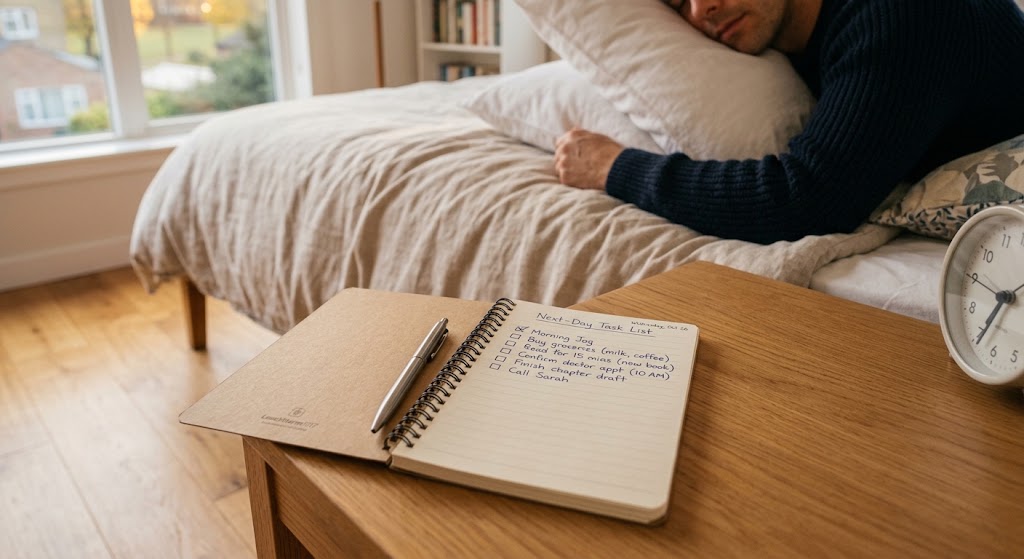
- Write down unfinished tasks.
- Use a physical transition such as walking, changing clothes, or preparing food.
- Avoid carrying work messages into every part of the evening.
Before Bed
- Reduce stimulation.
- Put tomorrow’s key tasks on paper.
- Use breathing, stretching, or progressive muscle relaxation for a few minutes.
- Keep your phone away from your bed if possible.
Start with one or two changes.
Adding ten new habits at once can create another source of pressure.
Consistency is more important than perfection.
Common Mistakes That Make Relaxation Harder
Waiting Until Stress Becomes Extreme
Relaxation techniques are usually easier to use when stress is moderate.
If you wait until you are completely exhausted, extremely angry, or overwhelmed, even a simple breathing exercise may feel ineffective.
Practice short resets during ordinary days so they become familiar when you actually need them.
Treating Relaxation Like Another Performance Goal
You do not need to achieve a perfectly empty mind.
Thoughts will appear.
The skill is noticing them without automatically following every thought.
A successful five-minute relaxation session may simply mean that you spent five minutes breathing, stretching, or sitting without adding more stimulation.
Choosing Passive Stimulation and Calling It Recovery
Watching something entertaining can be a valid break.
However, it may not actually calm you if the content is intense, screen time continues late into the night, or you are consuming information compulsively.
Pay attention to how you feel afterward.
If you feel more settled, the activity may be helping.
If you feel more agitated, numb, distracted, or wired, try a different kind of break.
Trying to Solve Every Problem While Lying in Bed
Bed is usually a poor place for lengthy planning because fatigue can make clear thinking harder.
Keep a notebook nearby.
Write down the concern and choose a time to address it the following day.
If you regularly remain awake for long periods, consider getting out of bed and doing something quiet in low light until you feel sleepy rather than turning your bed into a place associated with frustration.
Ignoring Physical Contributors to Stress
Stress can be intensified by:
- Poor sleep
- Lack of movement
- Irregular meals
- Excessive caffeine
- Pain
- Illness
- Long periods without rest
Relaxation practices are valuable, but they work best alongside basic physical care.
If you have persistent or concerning physical symptoms, speak with an appropriate healthcare professional.
When Should You Get Professional Support?
Daily stress is common, but you should not assume that you have to manage serious or persistent symptoms alone.
Consider speaking with a qualified healthcare or mental-health professional if:
- Stress continues for weeks and interferes with work, relationships, or sleep.
- You feel constantly on edge or unable to switch off.
- You experience frequent panic or intense anxiety.
- You experience persistent low mood.
- You use alcohol or other substances to cope.
- You are withdrawing from activities or people you normally value.
- Physical symptoms are new, severe, or worrying.
- Your stress feels increasingly difficult to manage despite making lifestyle changes.
For trustworthy information about mental health and stress, consider resources from the National Institute of Mental Health or NHS.
If you may be in immediate danger or feel unable to stay safe, contact local emergency services or an appropriate crisis service in your country and stay with someone you trust if possible.
Frequently Asked Questions About Relaxing Your Mind
What Is the Fastest Way to Relax Your Mind?
Start by reducing physical activation.
Relax your jaw and shoulders, place your feet on the floor, and take slow, comfortable breaths for two to five minutes.
Then write down the main concern and choose one next action or a time to address it.
This approach is often more useful than trying to force yourself not to think.
How Can I Relax My Mind at Night?
Create a short wind-down routine.
Write down tomorrow’s tasks, reduce bright screens, and use slow breathing or progressive muscle relaxation.
If your mind is racing, record the thoughts rather than repeatedly trying to solve them while lying in bed.
Why Can’t I Relax Even When Nothing Is Wrong?
Your body may still be responding to accumulated stress, poor sleep, excessive stimulation, or unresolved concerns.
“Nothing is wrong right now” does not necessarily mean your body immediately returns to a relaxed state.
Regular breaks, movement, better sleep habits, and a clear work shutdown routine can help.
Does Exercise Help Calm the Mind?
For many people, regular physical activity can support mood, sleep, and stress management.
Exercise does not need to be extreme.
Walking, strength training, cycling, swimming, or another activity you can perform safely may be useful.
If intense exercise leaves you feeling more wired or exhausted, reduce the intensity or choose gentler movement.
Internal link suggestion: Link benefits of regular exercise to an appropriate ManStuff101 article.
How Long Should I Meditate or Practice Breathing?
Start with two to five minutes.
The best duration is one you can repeat without creating another obligation.
You can gradually extend the practice if it feels useful, but a short, consistent session is often more practical than an ambitious routine you quickly abandon.
Is It Normal for Relaxation Exercises to Feel Uncomfortable?
Some people initially notice more thoughts, restlessness, or physical sensations when they become quiet.
Try a shorter session, keep your eyes open, walk slowly, or choose a guided practice.
Stop if an exercise causes significant distress, dizziness, or unusual symptoms, and seek professional advice if this keeps happening.
How Can I Calm My Mind When I Am Overthinking?
Start by identifying the thought rather than trying to force it away.
Write it down and decide whether there is an action you can take.
If there is, choose the smallest useful next step.
If there is nothing you can do immediately, schedule a time to revisit the issue and return your attention to your breathing, surroundings, or another simple activity.
The goal is not to eliminate every thought. It is to stop every thought from controlling your attention.
What Helps Relax Your Mind Naturally?
Regular sleep, physical activity, slow breathing, time outdoors, reduced digital stimulation, and a predictable evening routine can all support relaxation.
The most effective approach is usually not one technique but a small combination of habits that you can maintain consistently.
Final Thoughts
To relax your mind more reliably, do not wait until stress becomes overwhelming.
Start by identifying what is driving the pressure. Separate problems you can control from worries you cannot control, then use a short physical reset such as slow breathing, walking, or progressive muscle relaxation.
Next, make recovery easier to repeat.
Create a clear stopping point at the end of the workday, reduce unnecessary digital stimulation, write down tomorrow’s concerns, and protect the final part of your evening.
You do not need to change everything at once.
Start today with one practical step—a five-minute walk after work, a written shutdown list, two minutes of slow breathing, or a phone-free period before bed.
Repeat that small habit consistently enough for it to become a dependable signal that your day is changing pace.
Learning how to relax your mind is not about never feeling stressed. It is about becoming better at noticing stress, responding to it, and giving yourself regular opportunities to recover.