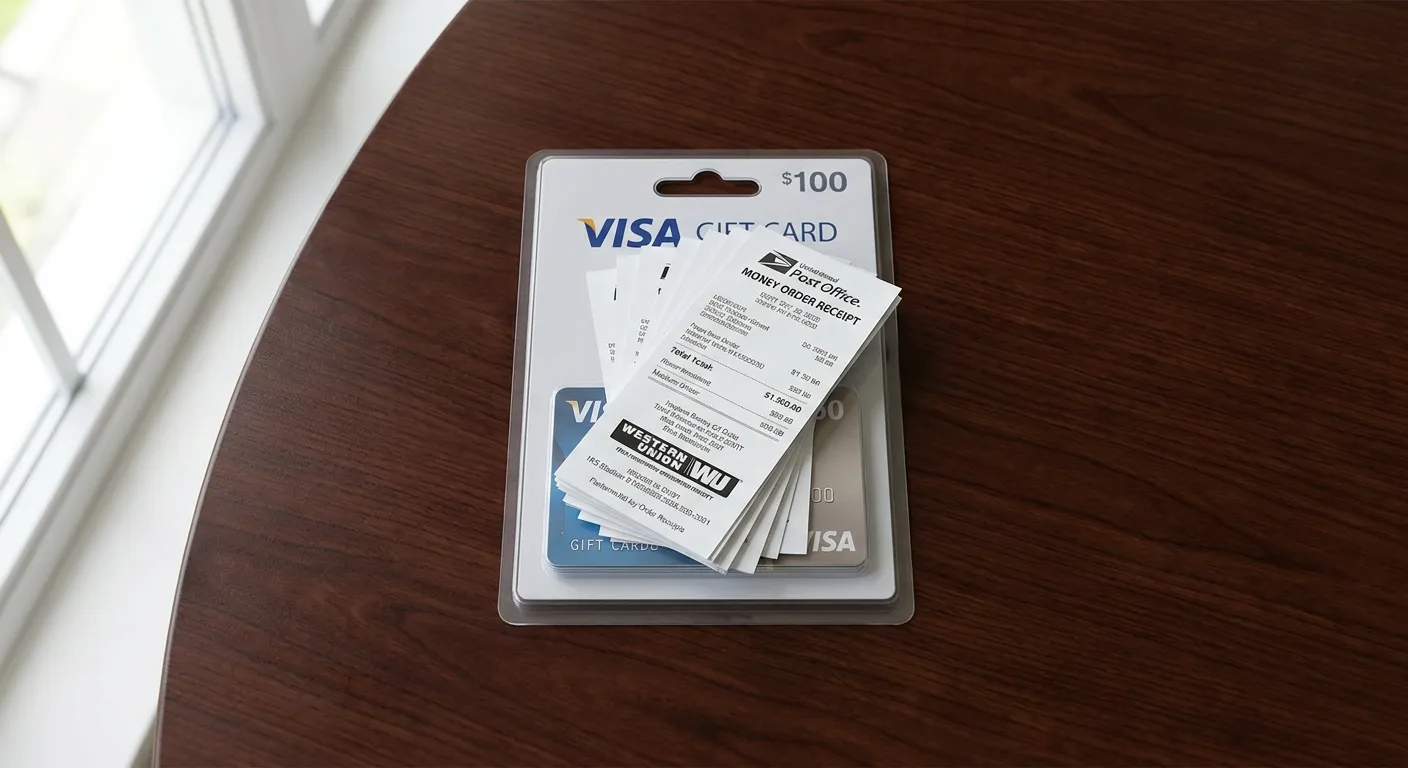
Manufactured Spending and Credit Card Churning
Bank bonus hunting and credit card churning have grown into lucrative side hustles for rewards enthusiasts. Generating high earnings through sign-up bonuses requires systematic account management, careful spreadsheet tracking, and large transaction volumes across multiple financial institutions. Furthermore, executing successful manufactured spending strategies involves navigating complex financial territory.
While opening accounts for credit card rewards remains standard practice, advanced strategies involving prepaid debit cards and postal money orders cross into complex territory. Examining the underlying mechanics reveals significant operational risks, potential bank shutdowns, and specific legal boundaries every household must understand before engaging in manufactured spending.
Understanding Manufactured Spending Mechanics and Legality
Buying prepaid Visa gift cards with rewards credit cards and converting those gift cards into money orders to pay off credit balances is known in financial communities as manufactured spending (MS).
Is Manufactured Spending Illegal?
Purchasing gift cards and converting them to money orders using your own legally earned money is generally not illegal under federal statutory law. You spend genuine capital to earn promotional rewards points. However, this process closely mimics actual criminal money laundering techniques because it converts cash equivalents into bank deposits. Consequently, banking networks trigger automated fraud detection algorithms.
The Real Danger: Structuring and Bank Account Closures
While buying money orders with your own money is legally permissible, handling large cash equivalents carries severe regulatory pitfalls:
- Anti-Money Laundering (AML) Flags: Banks run tracking systems to monitor unusual transaction flows. When you repeatedly deposit thousands of dollars in money orders, you raise immediate fraud alerts.
- Structuring Violations: Federal law under FinCEN makes structuring a felony. This means you cannot intentionally keep deposits under $10,000 specifically to avoid CTR bank reporting thresholds. Consequently, purchasing $1,000 money orders repeatedly looks like illegal structuring by federal investigators.
- Total Banking Blacklists: Major issuers like Chase, American Express, and Citi strictly forbid manufactured spend in their cardholder agreements. Once banks catch a user, they close all linked accounts, forfeit earned rewards points, and permanently blacklist that individual.
Two-Player Churning Rules for Spousal Accounts
Using a spouse’s identity or financial information to maximize sign-up bonuses is extremely common—referred to in the churning community as the Player 2 strategy. However, strict boundaries apply to ensure legal compliance.
Legal Player 2 Churning Versus Illegal Identity Misrepresentation
When managing joint rewards, you must distinguish between lawful participation and fraud. Legal Player 2 churning relies entirely on the spouse signing their own application, providing explicit and voluntary consent, using real personal income, and operating through joint accounts. In sharp contrast, illegal identity misrepresentation involves applying on behalf of a spouse without formal written consent, forging signatures, or secretly hiding account activity and debts.
Consent and Authorization
Opening a credit card or bank account in your spouse’s name requires clear, express consent. Applying for credit on someone else’s behalf without proper authorization constitutes federal identity fraud, regardless of whether you share finances. If you need details on handling personal information securely, read our guide on why a new job asks for spouse financial info.
Tax Implications of High-Volume Churning
The IRS classifies credit card sign-up bonuses as non-taxable price discounts. On the other hand, banks treat checking account opening bonuses as taxable interest income. Banks issue Form 1099-INT for bank bonuses over $600 annually. As a result, you must declare these amounts on joint tax filings. For related tax handling, review our guide on whether you can pay estimated taxes all at once.
Evaluating the Risks and Long-Term Impact
While generating tax-free returns through credit rewards sounds appealing, high-volume manufactured spending introduces huge financial exposure to your household.
Primary Risk Breakdown
- Financial Lockout: Money order liquidation spots change policies without notice. Because of this, enthusiasts often get stuck with thousands of dollars in prepaid gift cards.
- Credit Velocity Overload: Opening many credit lines in a short timeframe lowers your average account age. In addition, hard inquiries lower your score and impact mortgage approvals. To manage liabilities properly, check our tips on how to handle sudden job loss with credit card debt.
- Law Enforcement Scrutiny: Banks file Suspicious Activity Reports (SARs) automatically. Subsequently, these reports route directly to federal law enforcement officers.
Essential Guidelines for Household Financial Safety
You must set clear operational boundaries around rewards hobbies. In this way, you protect your joint financial stability.
Actionable Next Steps
Clear ground rules prevent unexpected account closures and legal complications. First, learn how to manage credit scores effectively to evaluate hard inquiry impacts. Next, read strategies for handling joint bank accounts to protect primary liquidity, explore how to audit household debt safety to review active liabilities, or review how to organize personal financial records to keep tax documentation clear.
Disclaimer: The information provided on this website is for educational and informational purposes only and should not be construed as legal, tax, or financial advice.