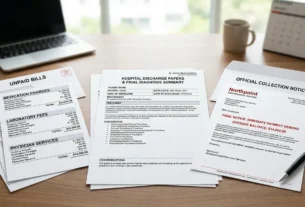
The Dilemma: Handling Post-Job Bills and Retaliatory Charges
Receiving an employer sending bill after termination creates immediate stress and confusion for departing workers. This problem usually happens in property management or hospitality, where companies link housing discounts directly to active employment. When new management takes over, aggressive HR departments often cut earned benefits, ignore valid rent discounts, or rush departing staff into unfair move-out terms. However, you can challenge these surprise charges before they hurt your personal finances.
Having a clear paper trail and a written lease helps you dispute invalid charges directly. Therefore, taking time to organize your documents turns an overwhelming dispute into a process you can actually control.
Evaluating Debt Disputes: Contractual Terms vs. Retaliatory Claims
| Dispute Stage / Factor | Corporate Claim Impact | Employee Defense Strategy | Legal Risk Exposure | Financial Outcome Range |
| Unvalidated Final Bill | Full Market Rent Charged | Produce Active Lease & Discount Proof | High (Threat of Collections) | Disputed Balance Zeroed Out |
| Accrued PTO / Wage Offset | Withheld Earnings / Benefits | File Department of Labor Complaint | Medium (Regulatory Review) | Full Wage Recovery Forced |
| Formal Lease Expiration | Immediate Termination Eviction | Enforce Standard Tenant Notice Rules | Low (Court Enforcement) | Statutory Move-Out Timeline |
Steps to Challenge an Employer Sending Bill After Termination
- Audit Active Contracts and Lease Terms: First, check every line of your original employment contract and housing agreement. Look closely at whether your rent discount stays active through the end of the month. If you lost your job unexpectedly, read our step-by-step guide on managing a layoff emergency budget to protect your immediate cash flow.
- Issue a Formal Written Dispute Letter: Second, skip phone calls and put everything in writing. Send a formal dispute letter by certified mail to HR and legal representatives. Demand an itemized statement and an adjusted zero balance. Because an employer sending bill after termination may threaten your credit, state clearly that you will report unverified collection attempts. If you face broader billing disputes, follow our framework for corporate dispute resolution.
- File Small Claims or Wage Complaints: Finally, if your ex-employer refuses to release your final paycheck or keeps your security deposit, file an official wage claim with your state labor board. According to consumer protection rules from the Consumer Financial Protection Bureau, providing written contracts stops companies from reporting illegal debts to credit bureaus.
Disclaimer: The information provided on this website is for educational purposes only and should not be construed as official legal, tax, or financial advice.