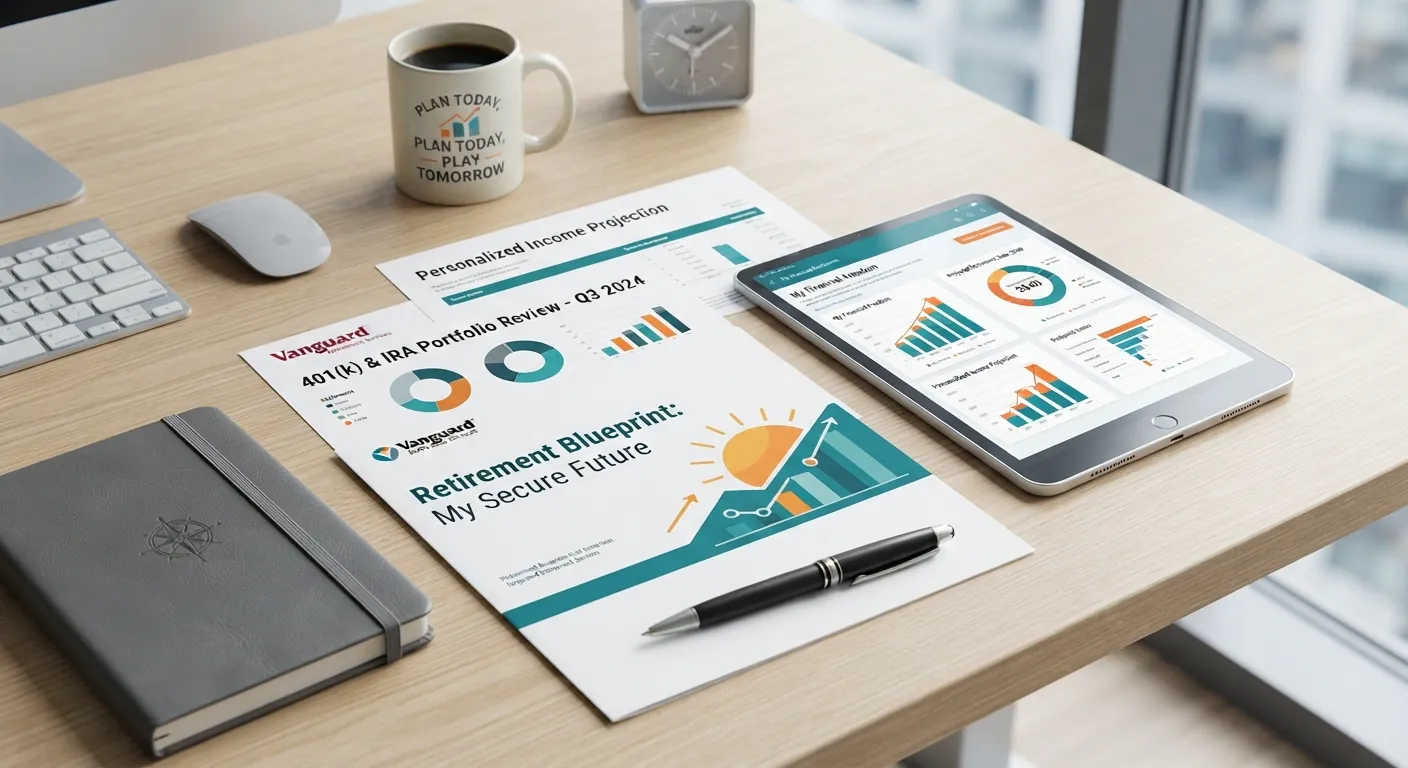
Managing a unique financial situation unlocks interesting tax strategies. Your living expenses get covered while you earn a modest salary. Aggressive savers often ask a bold question. Can you pump nearly your entire salary directly into a retirement plan? You fund daily life using existing savings.
Evaluating this strategy requires careful planning. You must balance tax-free growth advantages with IRS contribution limits. Cash flow needs matter greatly. Explore our guides on high-yield wealth building strategies for men and tips for spending money wisely. We also recommend reading about daily budget impulse spending and best business tools for entrepreneurs. For official retirement guidelines, review resources from the Internal Revenue Service and the Consumer Financial Protection Bureau.
1. The Reality of IRS Contribution Limits
Maximizing retirement accounts builds long-term wealth. Yet, you cannot legally contribute 100% of your earnings. Mandatory payroll taxes get deducted first. FICA taxes for Social Security require unallocated gross pay.
Employer payroll thresholds restrict employee 401(k) contributions. Payroll systems usually cap maximum deferrals around 85% to 90% of gross wages. You must account for these limits before moving forward.
2. Bridging Income with a Taxable Brokerage Account
Using a taxable index fund account covers living expenses. Meanwhile, sheltering earned income inside a Roth 401(k) creates strong tax arbitrage. Your overall taxable income drops below standard deduction thresholds.
- Tax-Free Swaps: Shifting capital from a taxable brokerage into tax-free accounts maximizes compound growth.
- Cash Flow Management: Systematic monthly liquidations provide predictable funds for daily costs.
- Retirement Flexibility: Balancing assets ensures smooth liquidity before traditional retirement age.
3. Key Risks to Consider Before Maxing Out
Relying heavily on taxable account liquidations carries long-term risks. Depleting a brokerage account leaves fewer liquid funds available. You might struggle with major future purchases like buying a home in cash.
Disclaimer: The information provided on this website is for educational and informational purposes only and should not be construed as legal, tax, or financial advice.