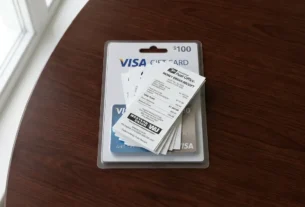
Eating breakfast at a local restaurant, waiting for a flight at a crowded airport terminal, or riding public transit often exposes you to strangers speaking loudly on their mobile phones. When someone broadcasts private financial details—such as unpaid bills, account balances, or banking disputes—they unintentionally invite casual eavesdroppers directly into their private lives. Furthermore, treating public spaces like private home offices creates severe security vulnerabilities that opportunistic actors can exploit instantly to compromise your financial well-being.
Protecting your hard-earned money and personal identity requires establishing strict boundaries regarding what you discuss outside the safety of your home. Additionally, understanding how easily credit card numbers, expiration dates, security codes, and home addresses can be intercepted prevents devastating financial fraud. Therefore, you should read our related guides on child identity theft and credit reports, managing daily budget and spending, and bank account closing and transfer safety. For official consumer protection guidelines, security standards, and fraud prevention tools, consult resources from the Consumer Financial Protection Bureau and the Federal Trade Commission.
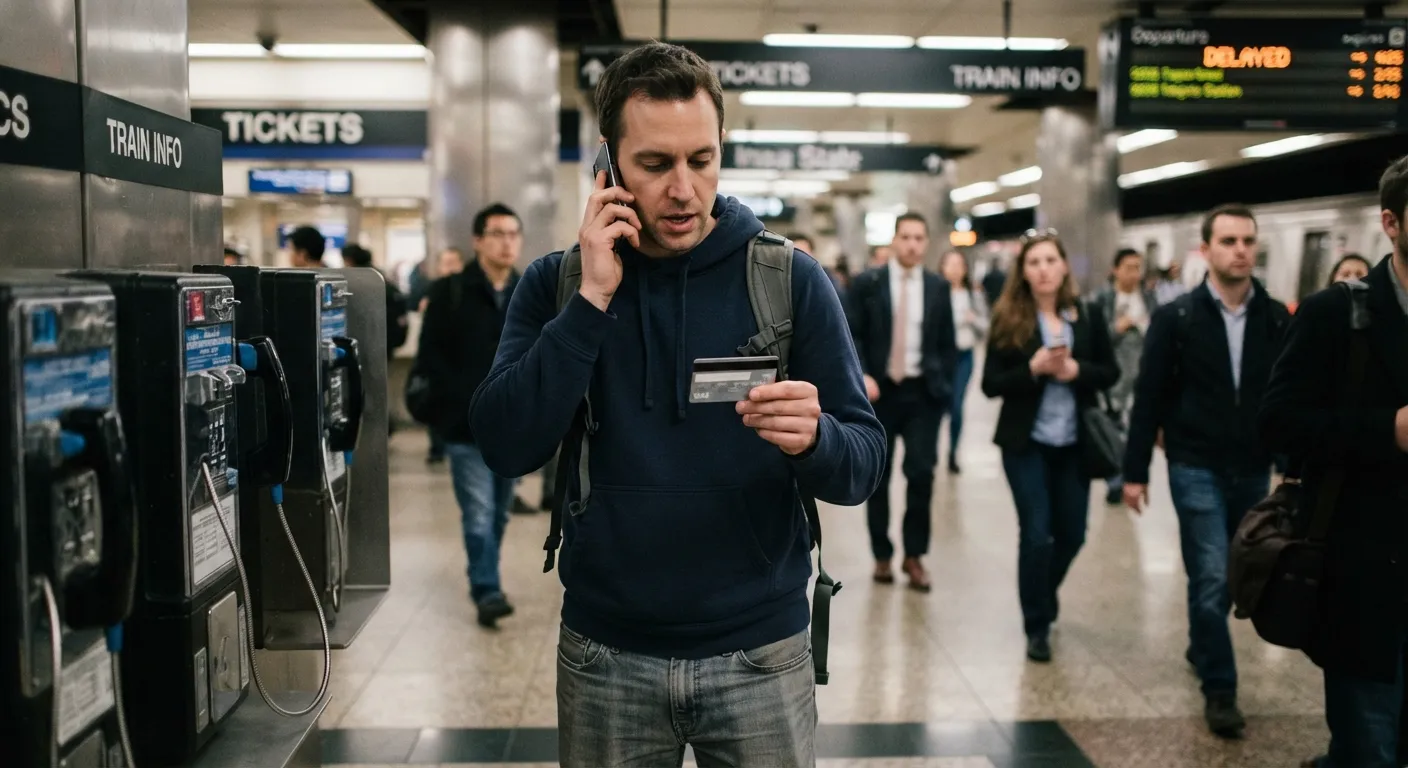
The Psychology of Over-Sharing in Public Spaces
Modern society relies heavily on mobile technology, making smartphones an extension of our private communication channels. Because people feel comfortable holding devices near their faces, they often psychologically dissociate from their physical surroundings. This false sense of privacy leads individuals to discuss highly sensitive matters—including mortgage payments, debt collections, and corporate finance issues—at high volumes in crowded rooms.
When individuals discuss billing issues or customer service disputes in public, they frequently assume nearby patrons are completely ignoring them. However, accidental eavesdropping happens effortlessly when someone speaks with heightened emotion or stress over unpaid bills. Hearing a complete financial transaction dialogue allows anyone nearby to capture vital account credentials without specialized equipment or malicious intent required beforehand.
The Mechanics of Accidental Data Theft
Reading out full payment credentials over a cellular connection—including the primary account number, expiration date, card verification value (CVV), and billing zip code—gives listeners everything needed to execute unauthorized transactions online. Physical eavesdropping remains one of the oldest methods of gathering intelligence, yet it is frequently overlooked in the digital age.
Practicing discretion during phone calls safeguards your financial accounts against casual opportunists who might jot down numbers on a napkin or store them in their memory. Consequently, to learn more about keeping your data secure and managing unexpected liabilities, review our detailed articles on why institutions track financial records, handling sudden job loss with credit card debt, and managing medical debt and collections.
Common Public Exposure Points and Security Risks
Vulnerabilities often arise in everyday environments where people feel relaxed but dangerously let their guard down regarding sensitive financial data.
| Public Environment | Common Vulnerability | Potential Financial Risk |
|---|---|---|
| Restaurants and Cafes | Loud phone calls discussing overdue bills, loans, or account numbers. | Exposing credit card details and personal identity markers to strangers. |
| Public Transit | Answering banking security questions or confirming Social Security digits. | Enabling identity theft through overheard verification details. |
| Waiting Rooms | Speaking openly with insurance agents or medical billing representatives. | Compromising private account credentials in crowded spaces. |
Data reference: According to Consumer Financial Protection Bureau (CFPB) security standards, protecting personal financial information from unauthorized exposure is the fundamental first line of defense against consumer fraud and identity theft.
Step-by-Step Action Plan for Public Privacy
Adopting strict communication habits ensures your private financial details never become public knowledge or vulnerable targets.
- Postpone Sensitive Calls: Wait until you are inside a private vehicle, office, or secure home environment before discussing bank accounts, loans, or bills.
- Use Encrypted Messaging: When communicating essential account numbers or service requests is unavoidable, use secure text apps rather than speaking out loud.
- Be Mindful of Surroundings: Always scan your immediate environment for nearby listeners before mentioning personal identification numbers or passwords.
- Monitor Financial Statements: Regularly review your credit card and bank statements to catch any unauthorized charges or suspicious activity immediately.
Safeguarding Long-Term Wealth and Personal Data
Maintaining financial security extends far beyond budgeting, investing, and retirement planning; it includes aggressively guarding your daily information flow. Careless habits in public restaurants, coffee shops, or shared transit can undo months of careful financial discipline if account credentials fall into malicious hands.
Cultivating a heightened awareness of your surroundings protects both your immediate cash flow and your long-term peace of mind. Treating personal data with absolute confidentiality keeps your financial profile safe from opportunistic threats and preserves your economic stability.
Frequently Asked Questions
Is it illegal to listen to someone’s phone conversation in public?
Overhearing a conversation spoken loudly in a public restaurant or open space is legal, but using overheard financial data to commit fraud, theft, or identity impersonation is a serious criminal offense.
What should I do if I accidentally hear someone’s credit card details in public?
The ethical and safe approach is to ignore the information completely, avoid writing anything down, and distance yourself from the area to respect their privacy.
How can I handle urgent financial calls safely while away from home?
Step outside to a secluded private area, use headphones equipped with a noise-canceling microphone, or politely reschedule the call until you reach a secure, private location.
Why do people broadcast private financial information without realizing it?
Distraction, acute stress over unpaid bills or account freezes, and feeling too comfortable in familiar public venues often cause individuals to lose track of their speaking volume.
Disclaimer: The information provided on this website is for educational and informational purposes only and should not be construed as professional financial, tax, or legal advice.