The Dilemma: Overcoming Impulse Buying with a Single Daily Metric
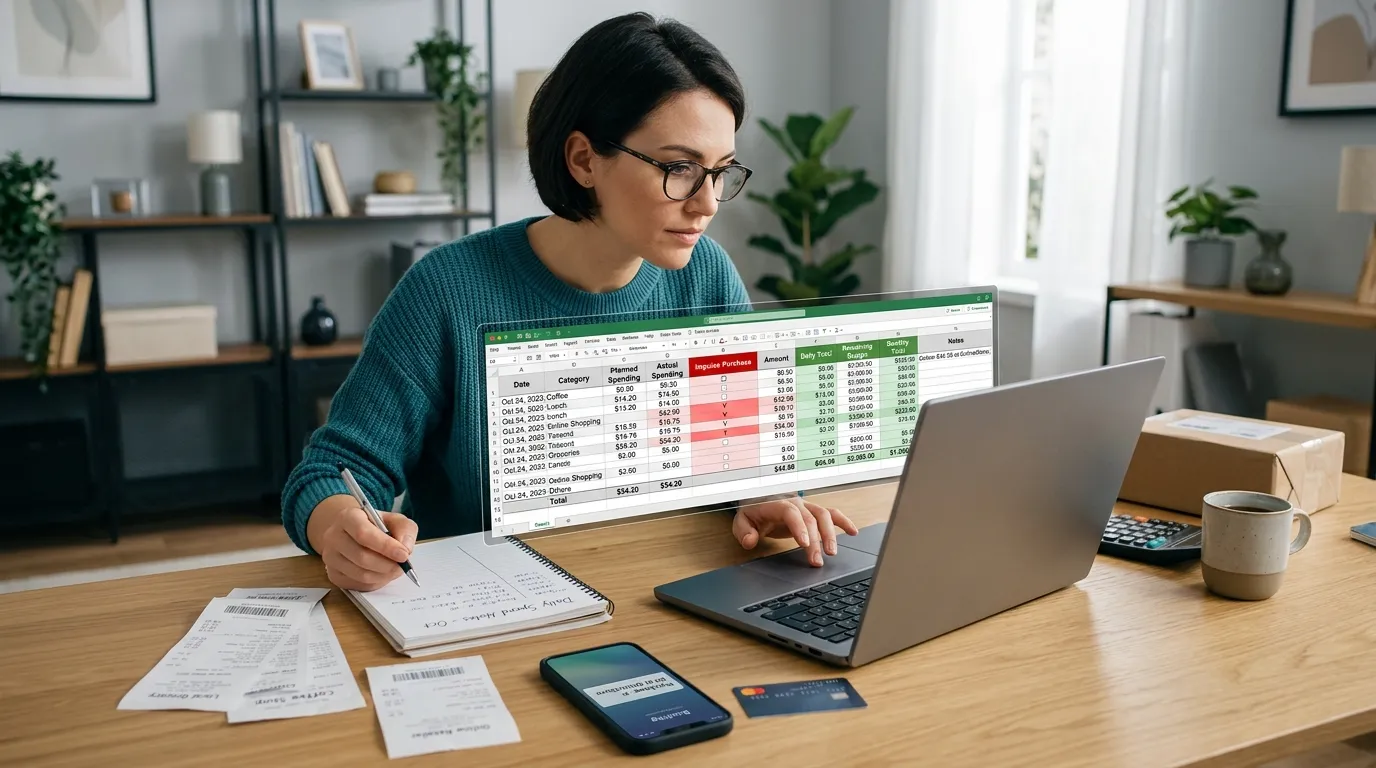
Creating a functional daily budget for impulse spending is essential for individuals struggling with ADHD, money anxiety, or executive dysfunction. Standard monthly financial planning requires long-term foresight that often leads to severe decision fatigue and unmonitored buying behavior. When individuals attempt to process complex multi-category ledger sheets, the cognitive load becomes overwhelming. As a result, many people abandon their tracking systems entirely.
Utilizing a streamlined framework eliminates abstract planning by converting variable monthly income into a single, manageable spending cap. Therefore, reducing financial management to a single daily allowance allows spenders to make real-time purchasing decisions without triggering anxiety or exceeding their total monthly balance.
How a Daily Budget for Impulse Spending Controls Spending
| Budgeting Methodology | Cognitive Tracking Load | Primary Focus Area | Impulse Control Support | Monthly Savings Target ($1,085 Income) |
| Traditional Monthly Ledger | High (20+ Line Items) | End-of-Month Totals | Low (High Risk of Overshooting) | Unpredictable / Variable |
| Daily Single-Number Allowance | Low (1 Core Metric) | Daily Flex Limit ($13.00/day) | High (Immediate Feedback) | $160.00 / month (14.7%) |
| Net Financial Outcome | Overwhelming Overhead | Real-Time Control | Reduced Impulse Purchases | Guaranteed Capital Growth |
Steps to Build a Daily Budget for Impulse Spending
- Establish Minimum Baseline Income: First, calculate your total guaranteed earnings per pay period. For tip-based or variable income streams, use your historical minimum baseline rather than peak earnings to ensure your budget remains stable.
- Isolate Fixed Overhead and Savings Goals: Second, subtract critical bills, debt service, and target savings percentages upfront. To build a robust strategy for your remaining cash flow, review our guide on long-term wealth building.
- Calculate and Track Your Daily Flex Limit: Finally, convert your remaining discretionary funds into a clear daily target. For example, $390 per month breaks down to $13 per day. Maintaining a daily budget for impulse spending protects your cash reserves without requiring complex daily categorization. According to consumer behavioral research from the Consumer Financial Protection Bureau, reducing financial decisions to micro-budget targets significantly increases long-term savings adherence.
Disclaimer: The information provided on this website is for educational purposes only and should not be construed as official legal or financial advice.