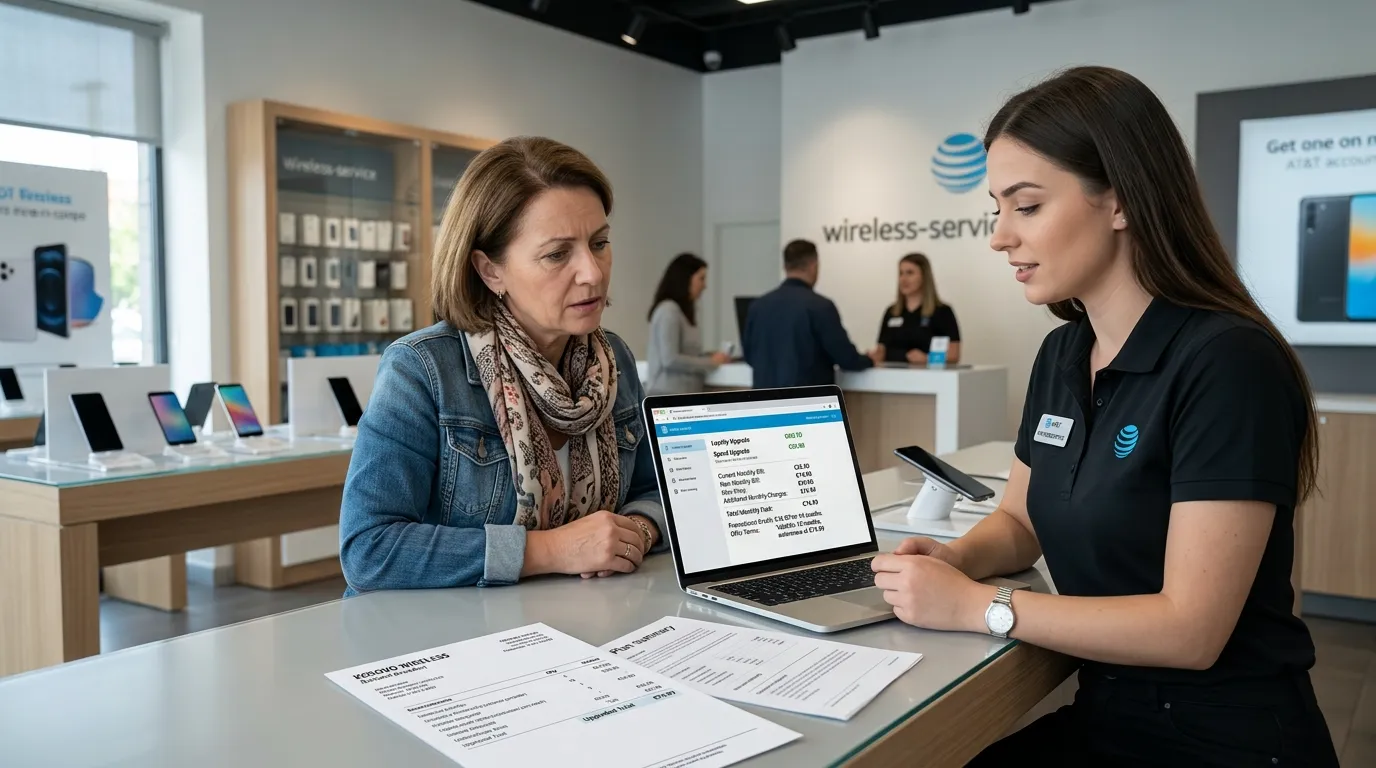
The Dilemma: Unauthorized Speed Upgrades and Hidden Billing Increases
An unexpected att loyalty speed upgrade notification often masks an aggressive billing tactic designed to raise monthly rates. Telecom providers routinely market these rate adjustments as complimentary service enhancements with dashboard banners stating your speed was increased at no extra charge. However, short-term promotional credits often expire after just 30 days, leaving customers with an inflated base rate and new equipment fees.
Consumers who overlook subtle order confirmations end up paying inflated monthly fees once temporary credits expire. This practice functions as a modern variation of “slamming”—the unauthorized alteration of a customer’s service tier—designed to inflate corporate revenue. Therefore, auditing your monthly statements immediately helps you catch unauthorized changes before automated payments process.
ATT Loyalty Speed Upgrade Impact: Deferral vs. Proactive Protection
| Service Condition | Initial Base Rate | Promo Credit (1 Month) | Month 2 Bill (Post-Promo) | Annual Hidden Cost |
| Default Unprotected Plan | $82.00 / month | -$20.00 | $82.00 / month | +$240.00 |
| Proactive Account Audit | $62.00 / month | N/A (Reverted) | $62.00 / month | $0.00 |
| Net Financial Difference | — | — | -$20.00 / month | +$240.00 Saved |
Step-by-Step Execution Plan to Prevent Unauthorized Bill Upgrades
- Audit Monthly Billing Statements for Expiration Alerts: First, inspect all incoming order confirmations immediately upon receipt. Check your internal account dashboard under “Alerts” to catch warning notifications regarding promotional discount expiration dates before automatic payments clear.
- Pause Autopay and Challenge Unexpected Charges: Second, if an unapproved att loyalty speed upgrade appears on your statement, pause automated payments immediately. Contact customer service to demand a full reversal to your legacy plan tier and an immediate billing credit. If customer service refuses to resolve your issue, read our guide on how to file a formal consumer complaint. Additionally, if you face related unexpected charges, review our framework for disputing hidden billing charges.
- Secure Your Account via PIN/Password Authorization: Finally, request that your telecommunications provider place a strict verbal password or security PIN requirement on your account to prevent unverified sales rep changes. According to consumer enforcement data from the Federal Communications Commission, locking account modification rights significantly reduces unauthorized plan alterations.
Disclaimer: The information provided on this website is for educational purposes only and should not be construed as official legal or financial advice.