Zelle is widely praised for its lightning-fast peer-to-peer transfers, but it is also a frequent target for financial scams. A common point of confusion is how a payment can seemingly be both final and reversible at the same time. Understanding the mechanics behind these transactions is essential for protecting your hard-earned money.
When you send a legitimate Zelle payment, it cannot be canceled once the recipient is enrolled. However, fraudsters exploit the system by leveraging stolen accounts and bank dispute protocols. To build long-term financial security and handle unexpected money challenges safely, explore our guides on high-yield wealth building strategies for men and tips for spending money wisely. For official regulatory guidelines, you can also check resources from the Consumer Financial Protection Bureau.
1. The Mechanics of the Zelle Scam
The confusion around reversibility usually stems from a specific type of fraud known as the “accidental payment” scam. Here is how it typically unfolds:
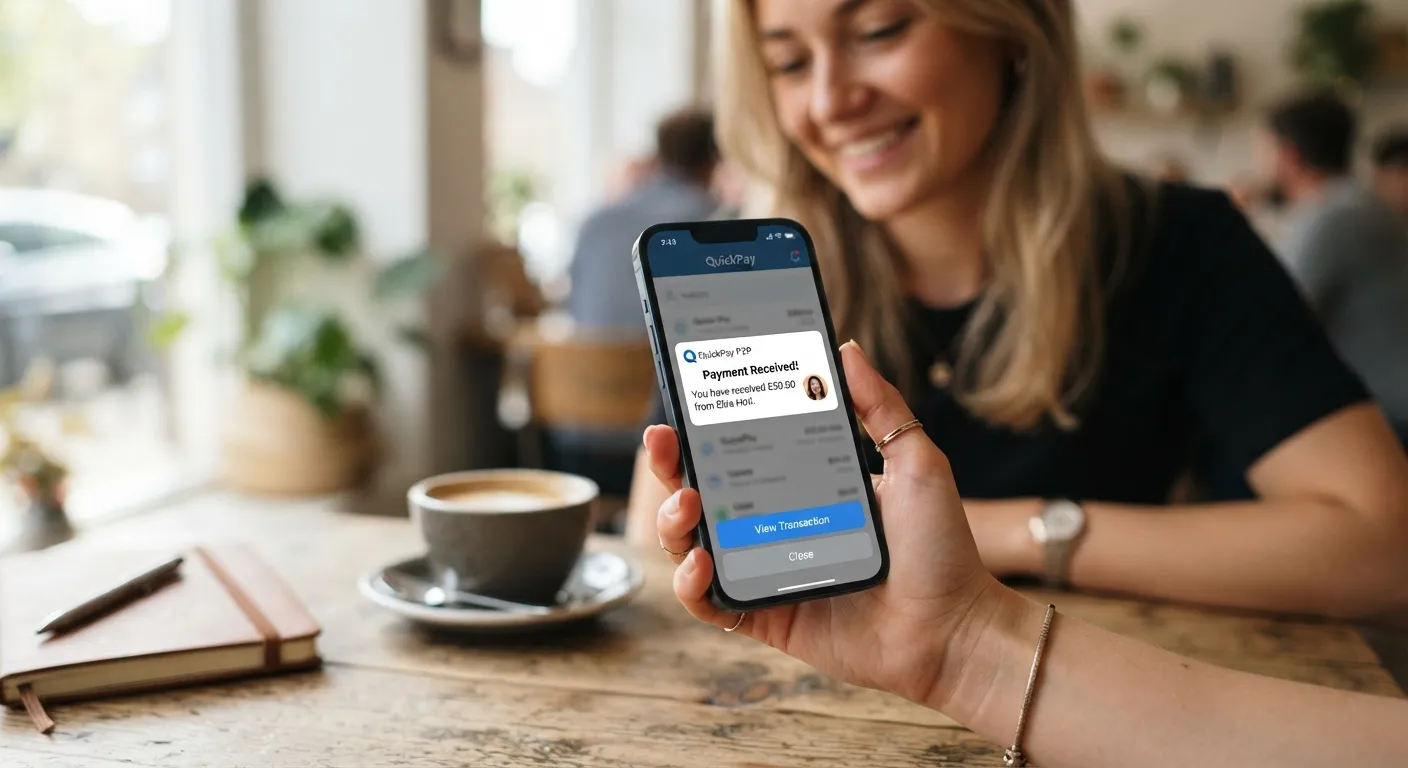
- The Stolen Transfer: A scammer sends you money using a compromised bank account or a stolen debit card. At this point, the funds appear in your account.
- The Fake Error: The scammer contacts you, claiming they sent the money to the wrong person by mistake and begging you to send it back.
- The Manual Return: Believing it was an honest mistake, you use Zelle to send clean funds from your own balance back to the scammer.
- The Double Dip: The actual owner of the compromised account eventually reports the unauthorized transaction to their bank. The bank reverses the original fraudulent transfer, taking the money back from your account. Meanwhile, the scammer keeps the money you sent them manually.
2. Is There a Way for the Recipient to Undo It Safely?
If someone sends you money unexpectedly and claims it was an error, you might look for a button to decline or reverse the transaction. However, Zelle does not offer a simple “undo” button for incoming transfers that protects you from this type of scheme.
Manually sending money back to an unknown user opens you up to severe financial risk. To manage unexpected financial shocks or budget disruptions safely, review our insights on daily budget impulse spending and best business tools for entrepreneurs.
3. How to Protect Yourself
To avoid falling victim to Zelle double-dipping scams, follow these essential rules:
- Do Not Send Manual Refunds: If someone claims they sent money by mistake, tell them to contact their bank to resolve the issue through official channels.
- Let the Banks Handle Errors: Financial institutions have formal dispute processes to correct erroneous transfers safely without requiring you to act as an intermediary.
- Monitor Your Accounts: Regularly check your bank statements to catch unauthorized activity immediately.
Disclaimer: The information provided on this website is for educational and informational purposes only and should not be construed as legal, tax, or financial advice.