Essential Hiking Gear: What to Bring on Every Hike
Hiking does not require expensive equipment, but going into the outdoors without the right essentials can quickly turn a simple walk into a difficult situation. The gear you need depends on the distance, terrain, weather, season, and how far you will be from help.
For most day hikes, the goal is simple: carry what you actually need without filling your backpack with unnecessary equipment.
1. Water
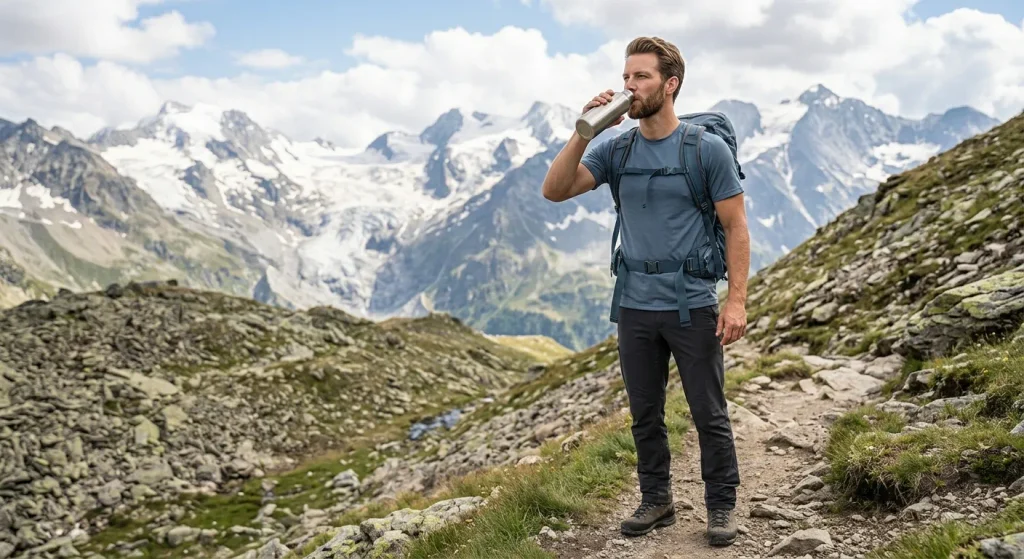
Water should be your first priority.
Bring enough water for the planned hike and consider carrying extra if the route is hot, exposed, or has no reliable water sources.
A reusable bottle or hydration bladder makes drinking while walking easier.
Before leaving:
- Check whether water is available along the route.
- Do not assume a stream or spring is safe to drink from.
- On longer hikes, consider carrying a suitable water purification method.
2. Food and Snacks
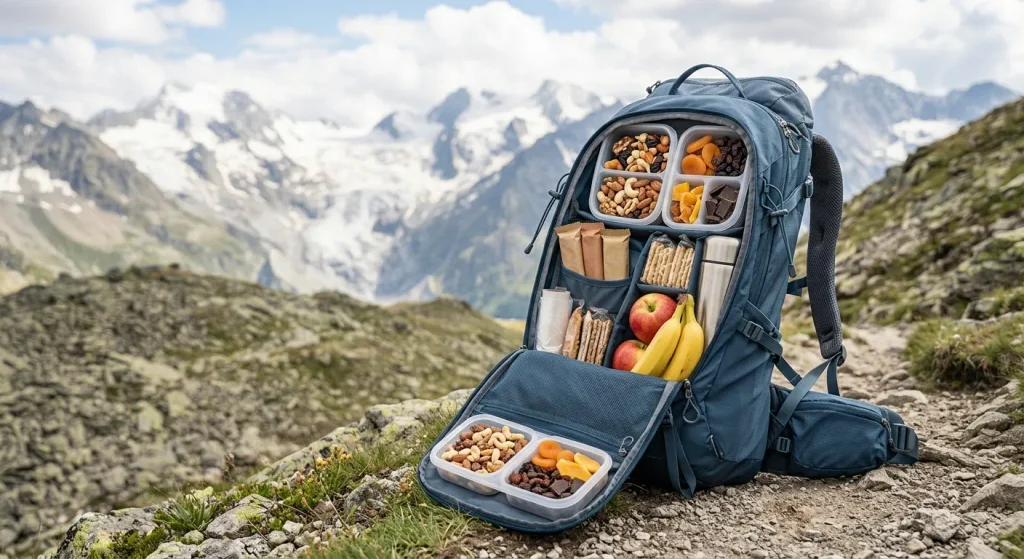
You do not need a complicated meal for a normal day hike. Pack food that is easy to carry and eat.
Good options include:
- Nuts and trail mix
- Energy or granola bars
- Fruit
- Sandwiches
- Dried fruit
- Crackers
- Chocolate or other high-energy snacks
Bring enough food for the planned hike and some extra in case the trip takes longer than expected.
3. Navigation
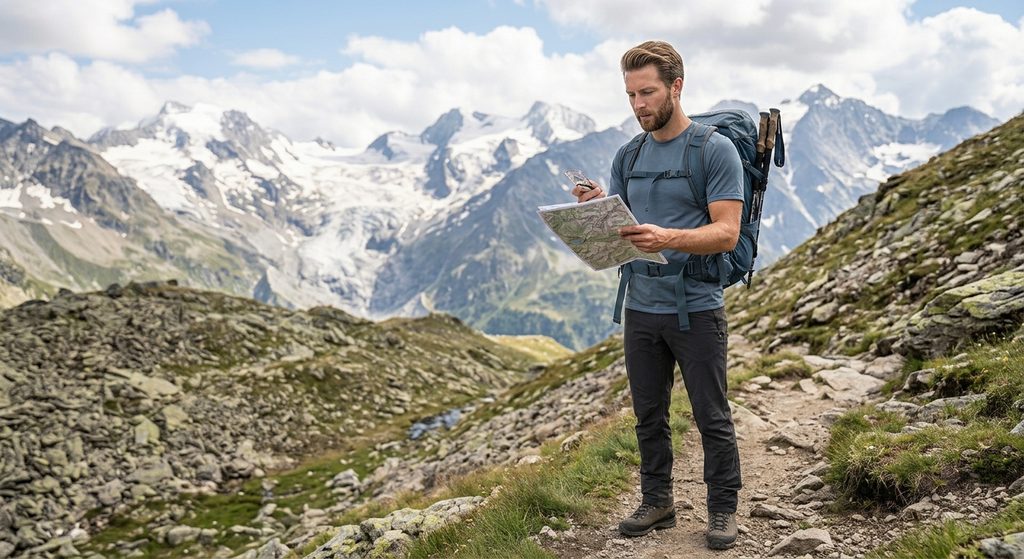
Never rely exclusively on your phone.
For unfamiliar trails, carry:
- A phone with an offline map
- A physical map when appropriate
- A compass if you know how to use one
- A portable power bank
Download maps before leaving because mobile coverage can disappear in remote areas.
4. First-Aid Kit

A small first-aid kit can deal with many common hiking problems.
Include basic supplies such as:
- Adhesive bandages
- Gauze
- Medical tape
- Antiseptic wipes
- Blister treatment
- Disposable gloves
- Any personal medication you normally need
You do not need to carry a huge medical kit on every short hike. The important thing is having basic supplies when you need them.
5. Proper Shoes

Your footwear should match the terrain.
For an easy, maintained trail, comfortable trail shoes may be enough. For rocky, muddy, steep, or uneven terrain, hiking shoes or boots can provide additional protection and stability.
Avoid starting a long hike with brand-new footwear. Test it first to reduce the chance of painful blisters.
6. Clothing for the Weather

Check the forecast before leaving, but remember that conditions can change quickly, especially in mountainous areas.
A practical clothing system can include:
- Moisture-managing base layer
- Warm layer
- Lightweight rain jacket
- Hat or cap
- Extra socks
Instead of relying on one thick piece of clothing, layers allow you to adjust as your temperature changes.
7. Rain Protection

A rain jacket takes up relatively little space and can become extremely valuable when weather changes unexpectedly.
For wet conditions, also consider protecting the contents of your backpack with:
- Waterproof bags
- Dry bags
- Backpack rain cover
Keep important items such as your phone, documents, and emergency supplies protected from water.
8. Headlamp or Flashlight

Even if you plan to return before dark, carry a small headlamp or flashlight.
A hike can take longer than expected because of:
- Getting lost
- An injury
- Difficult terrain
- Bad weather
- Delays along the route
A headlamp is particularly useful because it leaves both hands free.
Do not rely only on your phone’s flashlight. It uses battery power that you may need for navigation or emergency communication.
9. Phone and Power Bank

Your phone can be useful for:
- Navigation
- Emergency calls
- Weather information
- Taking photos
- Sharing your location
Charge it fully before leaving and consider carrying a compact power bank on longer hikes.
If you are hiking in an area with poor reception, do not assume that you will always be able to make an emergency call.
10. Sun Protection

Sun exposure can become a problem even when temperatures are comfortable.
Pack:
- Sunscreen
- Sunglasses
- Hat or cap
On exposed trails, take additional care during periods of strong sunlight.
11. Insect Protection

Depending on the season and location, insects can become a significant nuisance.
Consider carrying:
- Insect repellent
- Long lightweight clothing
- Tick protection when appropriate for the area
After returning, check your clothing and body for ticks if you have been hiking through areas where ticks are common.
12. Emergency Essentials

For more remote or demanding hikes, carry a few basic emergency items.
A useful emergency kit can include:
- Whistle
- Emergency blanket
- Lighter or waterproof matches
- Small knife or multitool
- Extra food
- Extra water or water-treatment equipment
- Basic first-aid supplies
You may never use most of these items. That is exactly why they are useful: they are there for situations you did not plan for.
13. Backpack

For a typical day hike, a comfortable daypack is usually enough.
Look for:
- Comfortable shoulder straps
- Adjustable fit
- Enough capacity for your essentials
- Water-resistant construction or a rain cover
- External pockets for frequently used items
Do not choose a backpack simply because it is large. A heavier backpack can make an easy hike considerably harder.
Simple Hiking Checklist
Before leaving, use this quick checklist:
- ☐ Water
- ☐ Food and snacks
- ☐ Phone
- ☐ Offline map/navigation
- ☐ Power bank
- ☐ First-aid kit
- ☐ Proper footwear
- ☐ Weather-appropriate clothing
- ☐ Rain jacket
- ☐ Headlamp or flashlight
- ☐ Sunscreen
- ☐ Sunglasses
- ☐ Hat
- ☐ Insect repellent when needed
- ☐ Emergency blanket
- ☐ Whistle
- ☐ Identification and necessary personal items
What You Should Do Before Every Hike
Good preparation starts before you put on your backpack.
Check the weather, study the route, estimate how long the hike should take, and tell someone where you are going when heading into a remote area.
Most importantly, choose your equipment based on the actual conditions of the hike. A short walk on a maintained local trail does not require the same equipment as a remote mountain hike.
The best hiking gear is not necessarily the most expensive gear. It is the equipment that solves the problems you are realistically likely to encounter on your route.