Hawthorn Berries: Benefits, Uses, Nutrition and What to Know
Hawthorn berries are small red, orange, or yellow fruits that grow on shrubs and trees belonging to the Crataegus genus. Native to parts of Europe, Asia, and North America, hawthorn plants have been used traditionally for food and herbal preparations for centuries.
Although these small fruits may not be as familiar as strawberries, blueberries, or raspberries, hawthorn berries have attracted attention because they contain a variety of plant compounds and nutrients. They are also used in traditional foods, teas, preserves, and herbal products.
But what exactly are hawthorn berries, what are they used for, and what should you know before consuming them?
What Are Hawthorn Berries?
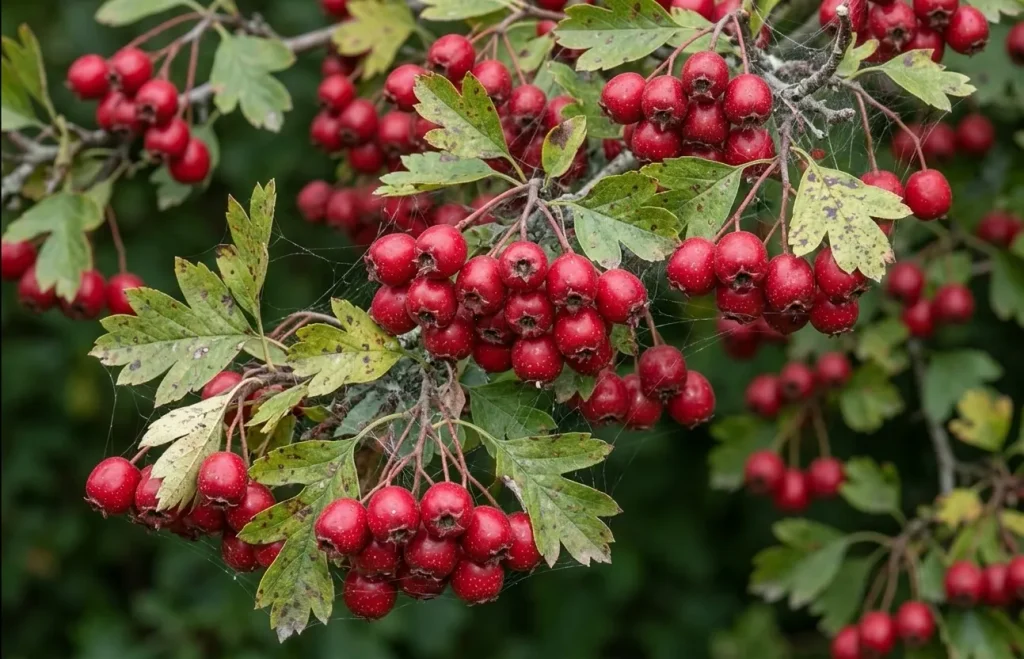
Hawthorn berries are the small fruits produced by species of the Crataegus genus. Hawthorn plants are deciduous shrubs or small trees that belong to the rose family, Rosaceae.
The berries can vary in color depending on the species and stage of ripeness. Many are bright red, while others may appear yellow, orange, or dark red.
Hawthorn plants are known for their small white or pink flowers and branches that can contain sharp thorns. The fruit typically develops after flowering and ripens later in the growing season.
What Do Hawthorn Berries Look and Taste Like?
Hawthorn berries are generally small and round or slightly oval. Their size and appearance can vary between species.
The flavor is often described as tart, mildly sweet, or slightly sour. Some varieties can have a somewhat mealy texture, which is one reason hawthorn berries are more commonly processed into foods and beverages than eaten in large quantities as fresh fruit.
The berries usually contain several hard seeds or stones in the center, so care should be taken when eating or preparing them.
Hawthorn Berries Nutrition
Hawthorn berries contain naturally occurring carbohydrates, fiber, vitamins, minerals, and plant compounds. Their exact nutritional profile varies depending on the species, growing conditions, ripeness, and preparation method.
Like many colorful fruits, hawthorn berries contain antioxidant compounds, including flavonoids and other polyphenols. These compounds are part of the plant’s natural defense system and contribute to the color and characteristics of the fruit.
However, hawthorn berries should not be considered a replacement for a varied diet. If you are interested in their nutritional value, think of them as one plant food among many rather than a single source of essential nutrients.
Potential Benefits of Hawthorn Berries
Hawthorn has a long history of traditional use, and researchers have studied various parts of the plant, including its berries, flowers, and leaves. Some of the interest surrounding hawthorn comes from its naturally occurring antioxidant and polyphenolic compounds.
1. They Contain Antioxidant Compounds
Hawthorn berries contain plant compounds with antioxidant activity. Antioxidants help protect cells from oxidative stress caused by unstable molecules known as free radicals.
The antioxidant content of hawthorn can vary considerably between species and preparations, so laboratory findings should not automatically be interpreted as proof of a specific health effect in humans.
2. They Add Plant Compounds to the Diet
Hawthorn berries contain flavonoids, phenolic compounds, and other phytochemicals. These naturally occurring substances are found in many fruits, vegetables, herbs, and other plant foods.
Eating a wide variety of plant foods is generally a better approach than relying on one particular fruit for a specific health benefit.
3. Hawthorn Has a Long History of Traditional Use
Different hawthorn species have been used traditionally in European and Asian herbal practices. Preparations made from hawthorn have historically been used in teas, tinctures, syrups, and other herbal products.
Traditional use can provide useful context, but it does not necessarily establish that a preparation is effective for a particular medical condition.
How Are Hawthorn Berries Used?
Hawthorn berries can be used in several traditional food and beverage preparations. Their naturally tart flavor makes them particularly suitable for recipes that combine fruit with sugar or other ingredients.
Hawthorn Tea
Dried hawthorn berries can be used to prepare herbal tea. Depending on the recipe, the berries may be combined with other herbs, spices, or dried fruits.
Tea made from hawthorn has a distinctive tart flavor and is often consumed as a traditional herbal beverage.
Jams and Preserves
Hawthorn berries can be cooked with sugar to make jams, jellies, sauces, and preserves. Cooking softens the fruit and makes its tart flavor easier to incorporate into recipes.
Hawthorn Syrup
In some culinary and traditional preparations, hawthorn berries are cooked and combined with sugar or honey to create a syrup. Recipes vary considerably depending on the region and intended use.
Snacks and Traditional Sweets
In parts of Asia, hawthorn fruit has traditionally been incorporated into sweet snacks and fruit-based preparations. Some products combine hawthorn with sugar or other ingredients to balance its naturally sour flavor.
Are Hawthorn Berries Safe to Eat?
Hawthorn berries have traditionally been consumed as food, but the fruit should be properly identified and prepared before eating.
One important consideration is that hawthorn berries contain hard seeds or stones. These should not be treated like edible soft fruit seeds and are commonly removed during food preparation.
As with any wild or foraged fruit, correct identification is important. Do not eat berries collected from the wild unless you are confident about the plant’s identification and understand how the particular species is normally prepared.
Hawthorn Berries vs. Hawthorn Supplements
It is important to distinguish between eating hawthorn berries as a food and taking concentrated hawthorn products.
Supplements may contain extracts made from berries, leaves, flowers, or combinations of different parts of the plant. These products can have substantially different concentrations of active compounds compared with the whole fruit.
For that reason, evidence about a concentrated hawthorn extract should not automatically be applied to eating fresh or dried hawthorn berries.
Hawthorn and Heart Health
Hawthorn is particularly well known because of its traditional association with cardiovascular health. Researchers have investigated hawthorn preparations for conditions involving the heart and circulation.
However, evidence is mixed and depends on the specific hawthorn preparation, dose, and health condition being studied. Hawthorn should not be viewed as a proven treatment for heart disease.
Anyone with a cardiovascular condition or anyone taking medication for blood pressure, heart rhythm, or other heart-related problems should speak with a healthcare professional before using concentrated hawthorn products.
Possible Side Effects and Precautions
Hawthorn products are not suitable for everyone. Some people may experience digestive symptoms, dizziness, headache, or other unwanted effects, particularly when using concentrated preparations.
There can also be concerns about interactions with certain medications. This is especially relevant for people taking medicines that affect the heart, blood pressure, or circulation.
If you take prescription medication, have a chronic medical condition, are pregnant or breastfeeding, or are considering a concentrated hawthorn supplement, talk with a qualified healthcare professional before using it.
How to Add Hawthorn Berries to Your Diet
If you want to try hawthorn as a food, start with a properly identified edible variety and a traditional food preparation.
Some simple ways to use hawthorn include:
- Adding cooked hawthorn berries to homemade preserves.
- Using dried berries in herbal tea blends.
- Preparing hawthorn syrup as a traditional fruit-based condiment.
- Combining the fruit with other berries or fruits in cooked recipes.
Because the flavor can be quite tart, hawthorn often works best when combined with sweeter fruits or ingredients.
How to Choose Hawthorn Berries
If you are buying hawthorn berries rather than harvesting them yourself, choose products from a reputable food or herbal supplier.
Check the product label to determine whether you are buying whole fruit, dried berries, powder, tea, or a concentrated extract. These forms are not interchangeable, and their intended uses can be different.
For supplements, look for clear information about the plant species, plant part used, serving size, and manufacturer.
Frequently Asked Questions About Hawthorn Berries
What are hawthorn berries?
Hawthorn berries are small fruits produced by shrubs and trees in the Crataegus genus. They can be red, orange, yellow, or other colors depending on the species.
Can you eat hawthorn berries?
Many hawthorn fruits are traditionally used as food, but correct plant identification and appropriate preparation are important. The hard seeds or stones should also be handled appropriately.
What do hawthorn berries taste like?
Hawthorn berries are generally tart or sour with varying levels of sweetness. Their texture can be somewhat mealy, which is why they are often cooked or processed.
What are hawthorn berries used for?
Hawthorn berries are used in traditional foods and beverages, including teas, jams, syrups, preserves, and other fruit-based preparations. Hawthorn is also used in herbal supplements and extracts.
Are hawthorn berries good for you?
Hawthorn berries contain fiber and naturally occurring plant compounds such as flavonoids and other polyphenols. However, the potential health effects of hawthorn depend on the specific preparation, and food consumption should not be confused with the effects of concentrated extracts.
Can you make tea from hawthorn berries?
Yes. Dried hawthorn berries are traditionally used in herbal tea preparations. The flavor is naturally tart and can be combined with other herbs or fruits.
Are hawthorn supplements the same as eating hawthorn berries?
No. Supplements may contain concentrated extracts from berries, flowers, leaves, or other plant parts. Their concentration and effects can differ significantly from those of whole hawthorn fruit.
Final Thoughts
Hawthorn berries are small fruits from the Crataegus genus that have been used as food and in traditional herbal preparations for centuries. Their tart flavor makes them useful in teas, preserves, syrups, and other recipes, while their natural plant compounds have made hawthorn a subject of scientific interest.
If you want to include hawthorn in your diet, focus on properly identified food products and appropriate preparation. If you are considering concentrated hawthorn supplements, especially alongside medication or for a specific health concern, professional medical advice is important.