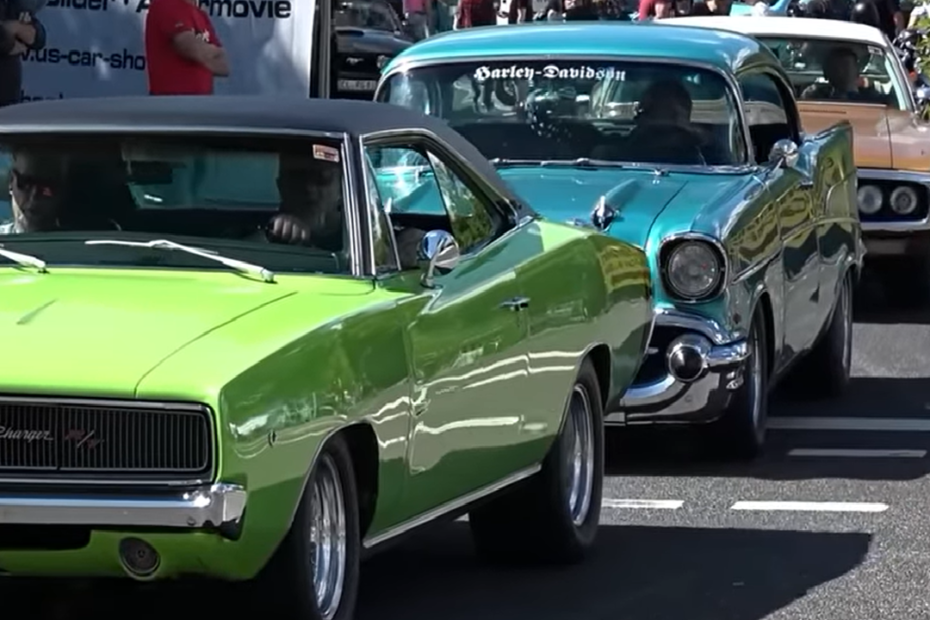
Few automotive eras capture raw power, aggressive styling, and pure driving excitement like the American muscle car revolution of the 1960s and 1970s. Watching classic muscle cars roar down the road is more than entertainment — it is a journey into one of the most iconic periods in automotive history.
https://www.youtube.com/watch?v=nCJ2tqEocIE
Read more: The Golden Era of American Muscle Cars: Why the 1960s and 1970s Still Dominate Car CultureWhat Made the Muscle Car Era So Special?
The muscle car boom began in the early 1960s when American automakers discovered that drivers wanted affordable cars with enormous performance potential. Manufacturers started placing powerful V8 engines into midsize coupes, creating street-legal machines capable of incredible acceleration.
Unlike modern performance cars that rely heavily on electronics and technology, classic muscle cars delivered a raw and mechanical driving experience. Drivers felt every vibration from the engine, every shift through the transmission, and every burst of torque through the rear wheels.
This authenticity is exactly why classic muscle cars continue to attract enthusiasts decades later.
The Legendary Cars Featured in the Video
One of the most exciting aspects of the video is the variety of iconic vehicles presented throughout the footage. Each model reflects a unique piece of muscle car history.
Dodge Charger
The Dodge Charger became one of the defining symbols of American muscle. With its aggressive front grille, wide stance, and massive HEMI engine options, the Charger represented pure street dominance during the late 1960s and early 1970s.
Its popularity exploded thanks to movies, television appearances, and drag racing culture. Even today, the classic Charger remains one of the most desirable collector cars in the world.
Chevrolet Chevelle SS
The Chevelle Super Sport, especially the 1970 SS 454, is considered by many enthusiasts to be one of the greatest muscle cars ever built. The car combined brutal straight-line speed with clean, muscular styling.
The video highlights the unmistakable sound of high-performance Chevrolet big-block engines, a sound that instantly transports car lovers back to the golden age of American performance.
Ford Mustang Boss and Mach 1
No discussion about classic muscle cars is complete without mentioning the Ford Mustang. During the late 1960s, Ford transformed the Mustang from a sporty pony car into a serious high-performance machine.
Models like the Boss 429 and Mach 1 featured racing-inspired engineering, aggressive body designs, and some of the most recognizable graphics packages ever produced.
The Mustang’s appearance in the video reminds viewers why it became a cultural icon worldwide.
Plymouth Barracuda and HEMI ’Cuda
The Plymouth ’Cuda represents Mopar performance at its absolute peak. With enormous engines and lightweight construction, these cars became legends both on the street and at the drag strip.
Collectors now consider original HEMI ’Cudas among the rarest and most valuable American muscle cars ever built.
The Sound of Pure American Horsepower
Perhaps the most unforgettable part of the video is the soundtrack created by these machines themselves. Modern performance vehicles may be faster on paper, but few can match the emotional impact of a naturally aspirated classic V8 engine.
The deep rumble at idle, the explosive acceleration, and the aggressive crackle from the exhaust systems create an experience that feels alive and mechanical.
For muscle car enthusiasts, the sound is just as important as the horsepower numbers.
Why Muscle Cars Still Matter Today
Despite massive technological advances in the automotive industry, classic muscle cars continue to dominate car shows, auctions, and online automotive communities.
Their appeal goes beyond nostalgia. These vehicles symbolize freedom, individuality, and an era when car manufacturers competed aggressively to build the fastest and most exciting machines possible.
Many younger enthusiasts are also discovering classic muscle cars through YouTube videos, restoration channels, and social media content. The popularity of vintage car culture has grown significantly in recent years, introducing a new generation to the legends of the past.
Restoration Culture and Modern Enthusiasts
Another important aspect of muscle car culture is restoration. Thousands of enthusiasts dedicate years restoring forgotten vehicles found in barns, garages, and abandoned fields.
The video captures the beauty of fully restored classics, where every chrome detail, paint finish, and engine component reflects countless hours of craftsmanship and dedication.
For many owners, restoring a muscle car is not simply a hobby — it is preserving automotive history.
The Influence of Drag Racing
The muscle car movement was heavily connected to drag racing culture. During the late 1960s and early 1970s, manufacturers battled for dominance both on the street and at the drag strip.
Cars became more powerful every year as companies introduced larger engines, better suspension systems, and high-performance packages designed specifically for speed.
Watching these vehicles accelerate in the video demonstrates why muscle cars became synonymous with American performance.
Why Videos Like This Continue to Go Viral
Classic muscle car compilations remain extremely popular online because they combine several things people love:
- Powerful engine sounds
- Beautiful vintage styling
- Nostalgic Americana
- High-performance driving
- Automotive history
- Restoration craftsmanship
Even viewers who are not hardcore car enthusiasts can appreciate the visual and emotional impact of these machines.
The combination of chrome, loud V8 engines, and timeless design creates content that feels exciting across generations.
Final Thoughts
The golden era of American muscle cars continues to inspire automotive enthusiasts around the world. Videos showcasing these machines remind us that performance is not only about speed — it is about emotion, character, and unforgettable design.
From the roar of a Chevrolet big-block engine to the unmistakable appearance of a Dodge Charger or Ford Mustang, classic muscle cars remain symbols of American automotive excellence.
As long as enthusiasts continue restoring, driving, and filming these incredible vehicles, the spirit of the 1960s and 1970s muscle car era will never disappear.
For anyone passionate about horsepower, history, and timeless automotive design, classic muscle cars will always represent the ultimate driving experience.