Pursuing higher education is traditionally viewed as a guaranteed path to career advancement. However, taking on massive student debt for a prestigious master’s degree without a concrete financial strategy can permanently hinder your long-term wealth creation.
Industry Warning: Many professional master’s programs at Ivy League and top-tier universities act as “cash cows” designed to fund research departments. Enrolling in an un-funded degree without a guaranteed salary boost often results in $100,000+ in debt for the exact same job role.
Evaluating the Financial ROI of Higher Education
Before signing a tuition agreement, compare the earning velocity of immediate job experience versus master’s degree debt:
| Degree Path | Average Tuition Debt | Immediate Salary Increase | Financial ROI Status |
| Professional Master’s (Unfunded) | $60,000 – $120,000 | $0 – $10,000 / year | Negative ROI (High Risk) |
| Employer-Sponsored Master’s | $0 (Covered by Employer) | Moderate Promotion | Positive ROI |
| Required Professional Degrees (MD, JD) | $150,000+ | Mandatory for Practice | High Long-Term Yield |
| STEM / Technical Upskilling | $15,000 – $40,000 | $20,000+ / year | Immediate Positive ROI |
4 Red Flags of Low-ROI Master’s Degrees
1. The “Ivy League Prestige” Fallacy
Universities frequently leverage their brand names to market professional master’s programs with low admission barriers. Unlike highly selective PhD or MBA tracks, these programs often accept broad applicant pools primarily to generate tuition revenue for the institution.
2. Lack of Employer Sponsorship or Funding
If your current employer is unwilling to subsidize or fully cover your master’s degree, it signals that the credential holds minimal immediate value within your industry’s promotion track.
3. Returning to the Same Earning Floor
Taking a 1-to-2-year career pause forfeits both active salary income and compound interest growth. If earning the degree yields the exact same teaching, corporate, or administrative role you previously held, the net lifetime value of the degree is negative.
4. Vague Career Progression Plans
Getting a degree simply because your career feels stagnant is a costly mistake. Graduate school should only be pursued when a specific role, certification threshold, or mandatory salary band explicitly requires the credential.
3 Smart Alternatives to High-Cost Graduate School
1. Negotiate Employer-Funded Tuition
Many mid-size to enterprise organizations offer annual tuition assistance packages. Align your degree choice with corporate succession plans so the company absorbs the financial risk.
2. Target Specialized High-Value Skill Badges
Industry-recognized certifications in project management, data analysis, or corporate software platforms cost a fraction of a university degree while offering direct, measurable wage increases.
3. Transition via Lateral Career Moves
Increasing your primary income often requires changing business units or companies rather than adding academic credentials. Strategic career hopping frequently yields higher compensation jumps than a passive master’s degree.
Key Takeaway: Never fund a generalist master’s degree with personal debt unless you have a written, quantifiable guarantee of a salary increase that offsets the tuition cost within 24 months.
How to Audit Your Next Career Step
- Calculate the Payback Period: Divide the total degree cost by your expected net annual raise to calculate how many years it will take to break even.
- Interview Industry Peers: Speak with professionals in your target roles to verify whether hiring managers prioritize master’s degrees over hands-on experience.
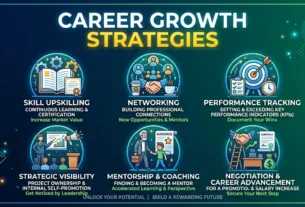
- Explore Revenue Strategies: Focus on active career leverage by reviewing our actionable guide on Career Growth Strategies.
Disclaimer: The information provided on this website is for educational and informational purposes only and should not be construed as legal, higher education, or official career guidance.